
Disclosure: This guide has affiliate links — if you buy through one (we link to Amazon) we may earn a small commission at no extra cost to you. Our picks are our own. Full disclosure.
Ask people why they finally bought a smart ring and the answer is almost always the same: sleep. A ring is small enough to wear in bed without noticing it, it lasts days between charges, and it turns "I think I slept badly" into a chart you can actually look at in the morning. The catch nobody prints on the box is that a ring estimates your sleep from heart rate, movement and temperature — it does it well, but it can overstate how long you were actually asleep, and it is a wellness gadget, not a medical device. This is a researched guide, built from manufacturer specs, owner feedback and current pricing rather than our own lab study, and it covers the rings that track sleep best at every budget. Short version: the RingConn Gen 2 is the pick for most people because it adds world-first automatic sleep-apnea (AHI) screening with no subscription, the Oura Ring 4 still has the smartest sleep app if you'll pay $5.99 a month for it, and the RingConn Gen 2 Air is the $199 value pick. If avoiding fees is your priority, start with our best smart ring without a subscription roundup.
- Best overall for sleep: the RingConn Gen 2 — world-first automatic sleep-apnea (AHI) screening, a 10–12 day battery, and no subscription, ever.
- Best app and insights: the Oura Ring 4 has the most refined sleep-staging and coaching — but it costs $5.99/month after the first year, and the data degrades if you cancel.
- Best value: the RingConn Gen 2 Air at $199 tracks sleep well and skips the fee — about $150 less than the cheapest Oura Ring 4.
- The honest caveat: every ring here estimates sleep and can overstate total sleep time. None of them diagnoses sleep apnea — if you snore, gasp or wake exhausted, see a doctor.
| Ring | Best for | Battery & subscription | Price |
|---|---|---|---|
| RingConn Gen 2 | Best overall / sleep apnea | 10–12 days · no subscription | ~$299 |
| Oura Ring 4 | Best app & insights | Up to 8 days · $5.99/mo | from ~$349 + sub |
| Ultrahuman Ring AIR | Best no-fee alternative | Up to 6 days · no subscription | ~$349 |
| RingConn Gen 2 Air | Best value | Up to 10 days · no subscription | ~$199 |
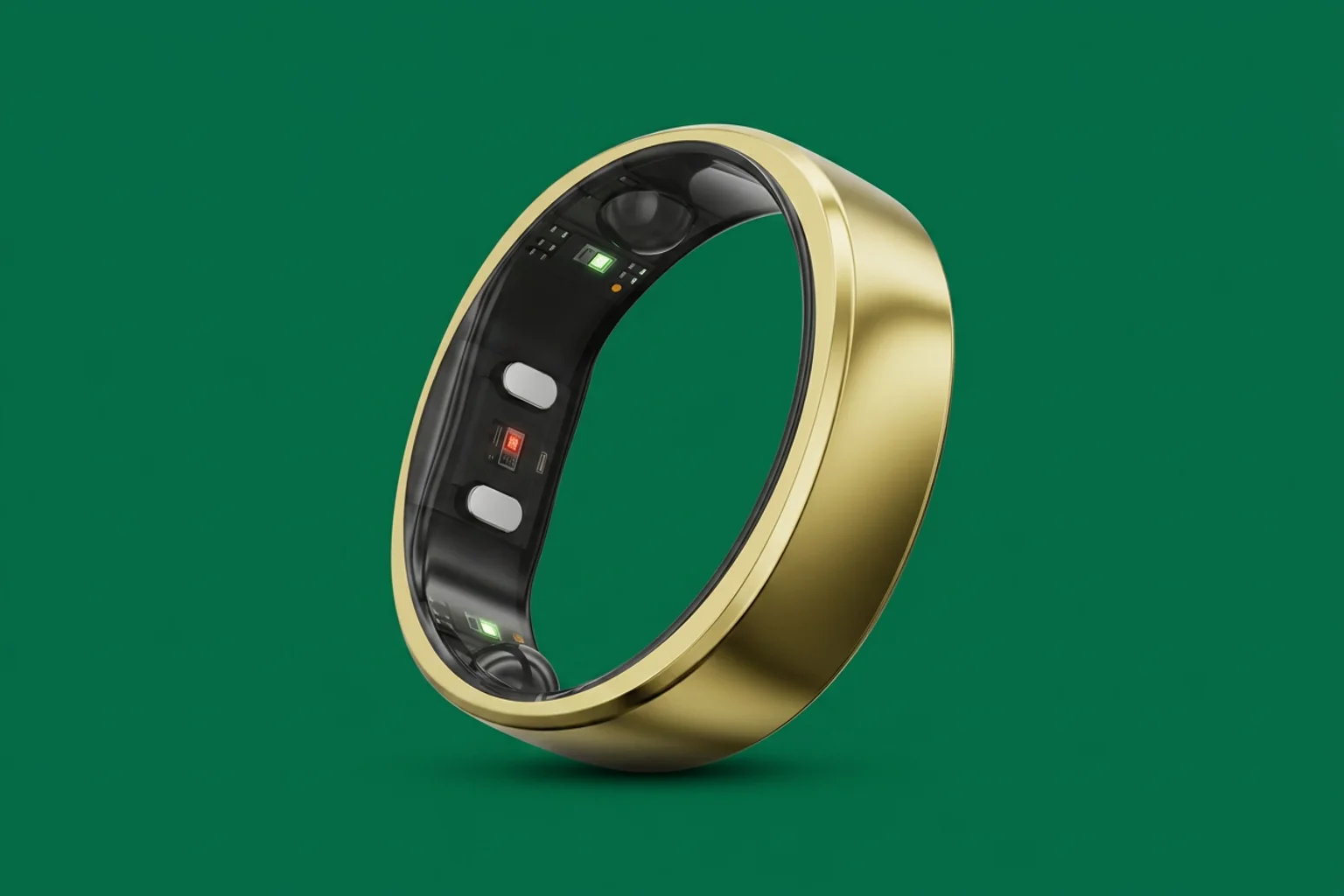
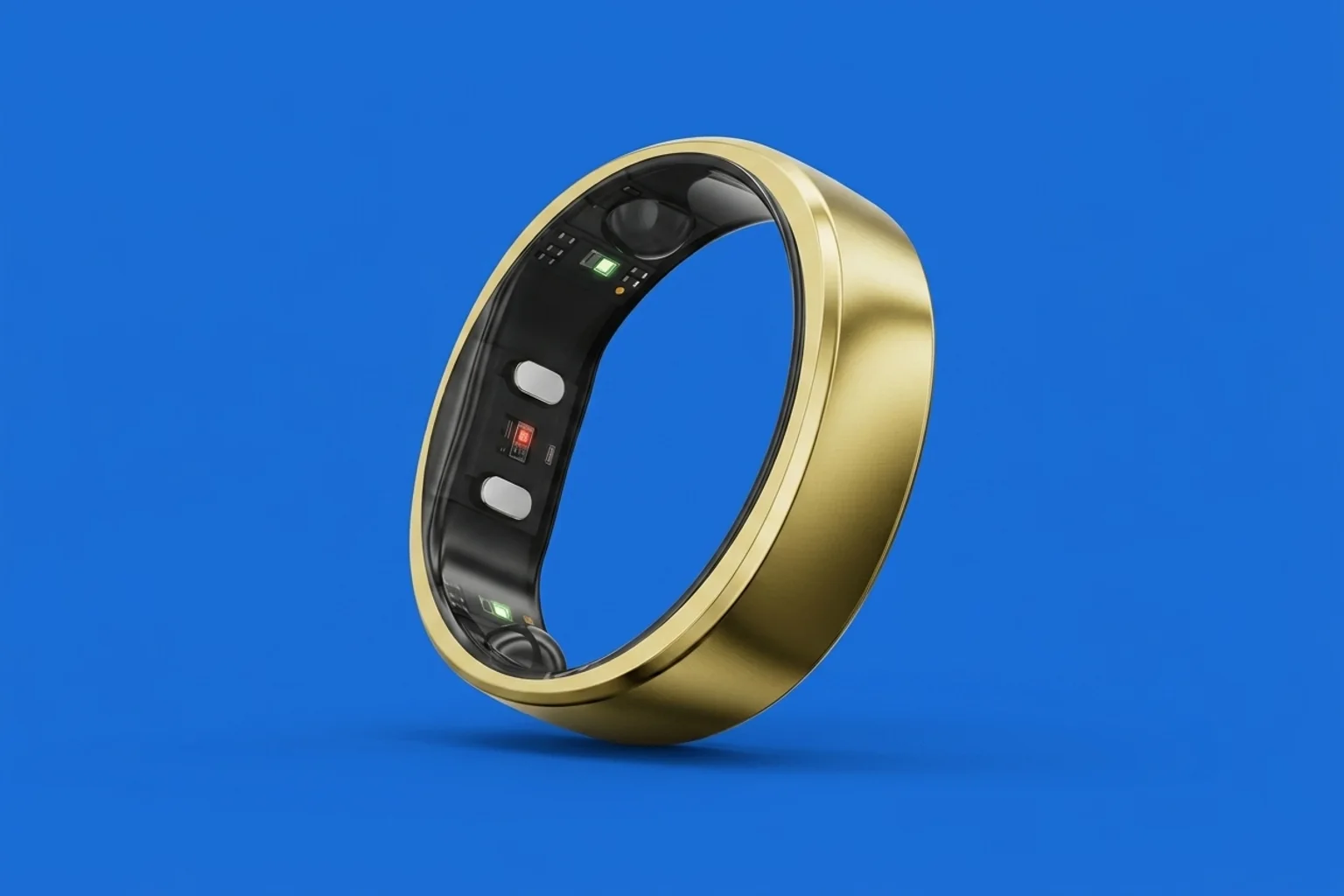
1. RingConn Gen 2 — best smart ring for sleep and sleep-apnea screening
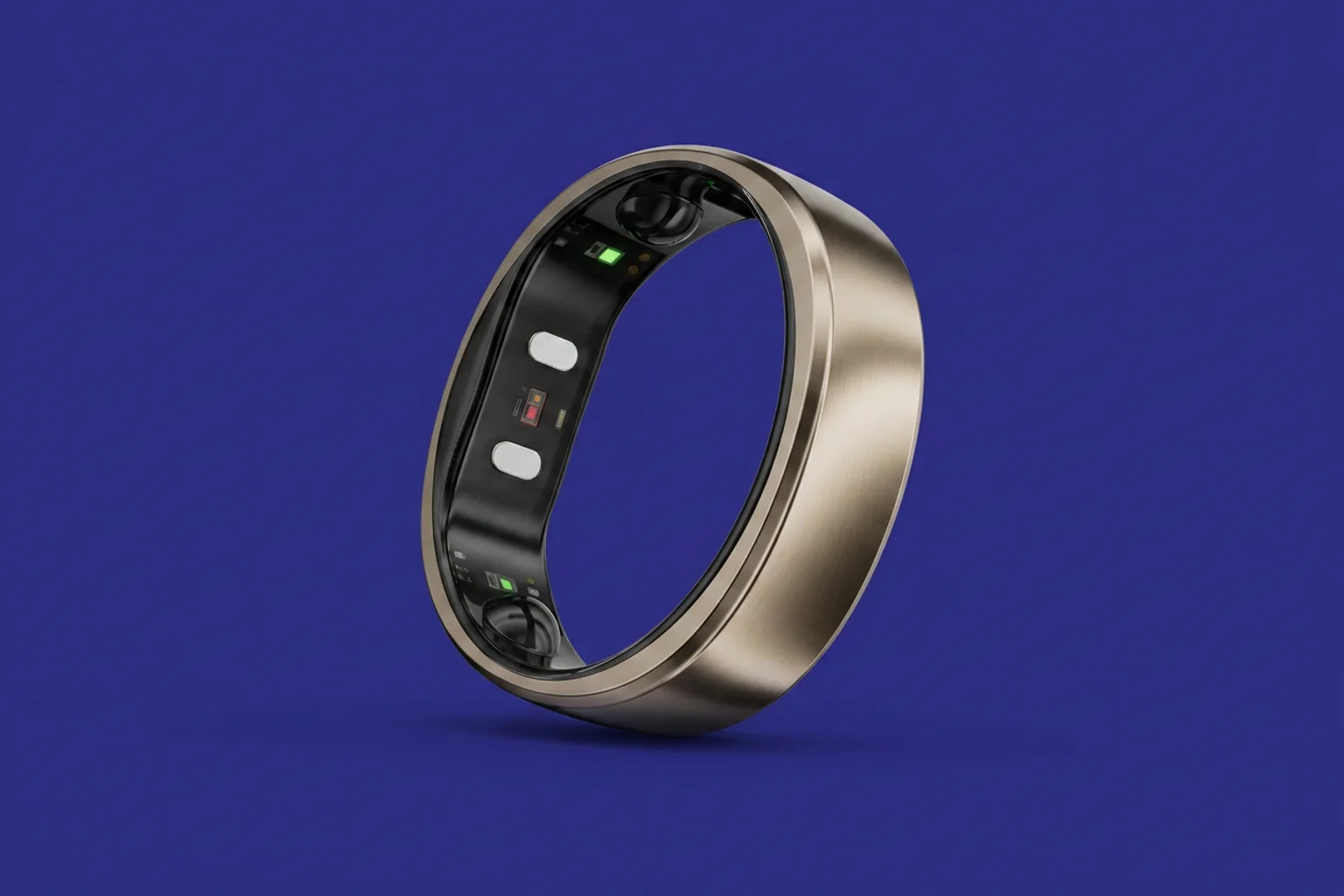
RingConn Gen 2
The world's-first ring with automatic sleep-apnea (AHI) screening, a 10–12 day battery, and no subscription — the most complete sleep ring for the money.
Check price on Amazon →If sleep is the reason you're buying, the Gen 2 is the easiest call here. It tracks the usual ring metrics — sleep stages, heart rate, HRV, SpO2, respiratory rate and skin temperature — but the headline feature is the one its rivals don't have: it's the world's first smart ring with automatic sleep-apnea monitoring, scoring an AHI-style index from your overnight breathing without you doing anything. To be clear about what that is, it's a screening signal that nudges you to talk to a doctor, not a diagnosis (more on that below). Around it sits a strong sleep ring: a 10–12 day battery so it survives the night you forget to charge it, up to 100m water resistance, a barely-there ~2g titanium body that genuinely disappears on your finger, and — the part owners love most — no subscription, ever. The app and every feature are free for the life of the ring. It's also FSA/HSA eligible, which can knock 30–40% off the real cost.
The honest flaws, because there are real ones. The app has no background sync — you have to open it and hold the ring near your phone to pull data across, and if the battery dies before you sync you lose what wasn't transferred. Notifications are weak (there's no low-battery push), the app can feel busy or slow, and like most rings it tends to overestimate total sleep time, counting some quiet-but-awake time as sleep. Sizing is non-standard and differs between RingConn models, so order the free sizing kit first and don't guess. None of that changes the verdict: for sleep tracking plus apnea screening with zero ongoing cost, nothing else matches it at $299. We go deeper in our RingConn Gen 2 review.
Pros
- World-first automatic sleep-apnea (AHI) screening — no competitor here does it
- 10–12 day battery and a charging case that extends to roughly 150 days
- No subscription ever; free app, FSA/HSA eligible, ~2g comfort for all-night wear
Cons
- No background sync — you must open the app and hold the ring close to transfer data
- Can overestimate total sleep time, like most rings
- Non-standard sizing — order the free sizing kit before you buy
2. Oura Ring 4 — best sleep app and insights (if you'll pay the fee)
Oura Ring 4
The most polished sleep-staging and coaching app in the category — held back only by a monthly membership that you can't opt out of.
Check price at Oura →Oura essentially built this category, and the Ring 4's sleep app is still the one to beat. The Sleep and Readiness scores are well-tuned, the breakdown of light, deep and REM is the most legible in the business, and the coaching turns numbers into "do less today" advice better than anyone. Battery is rated up to eight days, the titanium build is excellent, and a year of Oura Membership is included with a new ring. If the daily experience of understanding your sleep is what you're paying for, Oura still leads.
Here's the catch, and it's a big one. After that first year the membership renews at $5.99/month (or $69.99/year), and it's not optional fluff — cancel it and the app degrades toward a basic tracker, hiding the sleep insights, trends and readiness scores that are the whole point. So the real price isn't the sticker. A $349 ring plus three years of $5.99/month works out to roughly $565 — and that's before the pricier Horizon finish. Against a flat-fee RingConn that owns its features forever, Oura is asking you to keep paying to keep your own data useful. If the best-in-class app is worth a subscription to you, buy it with eyes open; if it isn't, the rings above and below cost less and never send another invoice. We lay out the full comparison in our RingConn vs Oura guide.
Pros
- Best-in-class sleep staging, Readiness scoring and coaching
- Up to 8-day battery and a premium titanium build
- First year of membership included with a new ring
Cons
- $5.99/month after year one — roughly $565 over three years all-in
- Cancel the membership and the app degrades toward a basic tracker
- No built-in sleep-apnea screening like the RingConn Gen 2
3. Ultrahuman Ring AIR — best no-fee alternative to Oura
Ultrahuman Ring AIR
Good sleep tracking with no subscription and a feature-rich app — let down mainly by a battery that struggles to match the field.
Check price at Ultrahuman →If you want the Oura-style experience without the Oura tax, Ultrahuman is the other serious option. The Ring AIR is one of the lightest rings you can wear, it skips subscriptions entirely (every feature is included with the device), and its sleep tracking is well regarded — reviewers rate its sleep-duration detection highly, and the app leans into a detailed, data-forward presentation with automatic nap and sleep detection. At ~$349 it sits at the same hardware price as a base Oura, but without the ongoing fee, which over a few years is a meaningful saving.
The honest weak spot is battery. Ultrahuman rates the Ring AIR at up to six days, and several reviewers report three to four days in real-world use — short enough that it can interrupt your sleep record if you forget to charge it, which is exactly the wrong place for a sleep ring to stumble. The app is powerful but can feel more like a dashboard than gentle coaching, where Oura still has the edge. It's a strong, fee-free pick — but for sleep specifically, the longer-lasting RingConn rings are the safer everyday companions, and the Gen 2 adds apnea screening Ultrahuman doesn't.
Pros
- No subscription — all features included with the ring
- Very light and comfortable, with well-rated sleep-duration tracking
- Detailed, data-rich app with automatic sleep and nap detection
Cons
- Up to 6-day battery, and often 3–4 days in real use — shortest here
- Same ~$349 hardware price as a base Oura Ring 4
- No automatic sleep-apnea screening
4. RingConn Gen 2 Air — best value sleep ring
RingConn Gen 2 Air
The cheapest sensible way into sleep tracking — $199, no subscription, ultra-thin, and about $150 under the cheapest Oura Ring 4.
Check price on Amazon →The Gen 2 Air is the value play, and a smart one if your goal is simply to track sleep without spending Oura money. At $199 it's the cheapest pick here and roughly $150 less than the cheapest Oura Ring 4 — and unlike Oura there's no membership tacked on top. It covers the sleep essentials (stages, heart rate, HRV, SpO2 and temperature trends), runs the same free RingConn app, is FSA/HSA eligible, and at an ultra-thin 2.5g it's the most forgettable thing on your finger. RingConn rates it at up to ten days of battery, with reviewers landing around eight in real use, and it's IP68-rated and tested to 100m, so a shower or a swim won't faze it.
What you give up versus the Gen 2 is the headline apnea screening — the Air does sleep and recovery, not the automatic AHI index — and, as with every RingConn, you'll deal with no background sync and the same non-standard sizing kit. Battery degradation after about a year is a known trait of the category too. But none of that undermines the pitch: this is the set-and-forget, subscription-free ring for someone who wants reliable nightly sleep data and a price that doesn't sting. For most "I just want to see how I slept" buyers, it's enough.
Pros
- $199 and no subscription — about $150 under the cheapest Oura Ring 4
- Ultra-thin 2.5g body; IP68 and tested to 100m for showers and swims
- Same free RingConn app, FSA/HSA eligible, up to 10-day battery
Cons
- No automatic sleep-apnea screening (that's the Gen 2's trick)
- No background sync, and the same non-standard sizing to navigate
- Battery can degrade after about a year, as with most rings
How to choose a smart ring for sleep
A few minutes of honesty about what you actually need will save you from overpaying or returning a ring. Here's the checklist.
Decide whether you want apnea screening. If you snore, wake unrefreshed, or someone has told you that you stop breathing at night, the RingConn Gen 2's automatic AHI screening is the one feature on this page worth choosing a ring around. Treat it as a prompt to see a doctor, not an answer — but it's a genuinely useful nudge that the others don't offer.
Do the subscription math. Oura's app is the best, but $5.99/month adds up — about $565 over three years on top of the ring, and the insights degrade if you ever stop paying. A subscription-free ring like the RingConn pair or the Ultrahuman costs once and keeps working. If you hate recurring fees, that's the whole decision.
Mind the battery for sleep specifically. A sleep ring is only useful if it's charged when you go to bed. Longer-lasting rings (the RingConn 10–14 day range) are far more forgiving than shorter ones; charge for an hour while you shower and you'll rarely miss a night. The shorter the battery, the more nights you'll lose to a dead ring.
Get the sizing right. Ring fit matters more than people expect — too loose and the optical sensor loses contact and your overnight readings get noisy. RingConn's sizing is non-standard and it ships a free sizing kit; use it, wear the sizer for a day or two including overnight, and only then order. A mis-ordered ring is the most common avoidable complaint in this whole category.
Set realistic accuracy expectations. Rings are good at sleep — better than wrist wearables at not bothering you — but they estimate it from heart rate, movement and temperature. They can overstate total sleep time and occasionally mis-call a nap. They're excellent for spotting trends ("my sleep got worse the week I started a new job") and poor as a stopwatch. Buy one to understand patterns, not to win an argument about the exact minute you fell asleep.
Can a smart ring detect sleep apnea?
It can screen for signs of it, not diagnose it. The RingConn Gen 2 is the world's first smart ring with automatic sleep-apnea monitoring — it estimates an AHI-style index from your overnight breathing and SpO2 and flags when those patterns look concerning. That's a useful early-warning signal, but it isn't a medical diagnosis. A clinical diagnosis requires a sleep study and a doctor. If a ring flags possible apnea, or you snore loudly, gasp in your sleep, or wake exhausted, treat it as a reason to book an appointment, not a verdict.
Are smart rings accurate for sleep tracking?
They're good, with one consistent caveat. Rings track sleep by combining heart rate, heart-rate variability, movement and skin temperature, and they're generally reliable for sleep duration and for showing trends over time. The recurring weakness across the whole category — RingConn, Oura and Ultrahuman alike — is that they can overestimate total sleep time, counting some still-but-awake time as sleep, and they sometimes mis-detect naps. Use the data to spot patterns week to week, not as a precise minute-by-minute log.
Do you need a subscription to track sleep with a smart ring?
It depends on the brand. Oura requires a membership ($5.99/month or $69.99/year after the first included year) to unlock its full sleep insights, and the app degrades toward a basic tracker if you cancel. RingConn (both the Gen 2 and Gen 2 Air) and Ultrahuman charge nothing ongoing — you pay once and keep every feature for the life of the ring. If avoiding fees matters to you, see our best smart ring without a subscription guide.
Which finger should I wear a sleep-tracking ring on?
Most makers, RingConn included, recommend the index, middle or ring finger of whichever hand gives the snuggest comfortable fit, because the optical sensor needs steady skin contact to read your pulse and SpO2 cleanly. A ring that's too loose slides and produces noisy overnight data; too tight is uncomfortable for all-night wear. This is exactly why the free sizing kit matters — wear the sizer for a day or two, including overnight, before you order.
How long does a smart ring battery last for overnight tracking?
It varies a lot by model, and it matters more than people think for sleep. The RingConn Gen 2 lasts 10–12 days and the Gen 2 Air up to ten, so missing a night's charge rarely costs you a night's data. Oura is rated up to eight days, and the Ultrahuman Ring AIR up to six (often three to four in real use). For a sleep ring, longer is genuinely better — top it up for an hour while you shower and you'll almost never go to bed with a dead ring.
Is the RingConn Gen 2 better than the Oura Ring 4 for sleep?
It depends on what you value. The Oura Ring 4 has the more polished sleep app and the best coaching, but it costs $5.99/month after the first year and the insights fade if you stop paying. The RingConn Gen 2 costs less up front, never charges a fee, lasts longer on a charge, and adds automatic sleep-apnea screening Oura doesn't have. For most people who want strong sleep tracking without an ongoing bill, the Gen 2 is the better buy; if the best-in-class app is worth a subscription to you, Oura wins. Our RingConn vs Oura piece breaks it down in full.
Bottom line: for sleep, match the ring to how much you care about the app versus the bill. The RingConn Gen 2 is the best all-round pick — long battery, no fees, and the only automatic sleep-apnea screening on this page — and at $199 the Gen 2 Air gets most people there for less. Pay for the Oura Ring 4 only if its app is worth a monthly fee to you, and consider Ultrahuman if you want a fee-free Oura-style experience and can live with the shorter battery. Whichever you pick, remember what a ring is: a brilliant way to understand your sleep patterns, and never a substitute for a doctor if something feels genuinely wrong.