
Disclosure: This guide has affiliate links — if you buy through one (we link to Amazon) we may earn a small commission at no extra cost to you. Our picks are our own. Full disclosure.
Both of these are excellent smart rings, so let me skip the suspense and tell you what this comparison is actually about: money. Oura makes the better software — sharper insights, friendlier coaching, a longer track record — but it charges you $349 or more for the ring and $5.99 every month to actually read your own data. RingConn charges once and never asks again. Over three years that gap is roughly $565 for Oura versus a flat ~$199–$349 for RingConn, and that single line is the whole decision for most people. Short version: if you want the most polished health app and don't mind renting it, buy Oura; if you want the same core sleep, HRV and recovery tracking without a monthly bill — and you're honest that you'd ignore half the coaching anyway — RingConn is the smarter buy, and the Gen 2 is the one to get. This is a researched comparison built from both brands' published specs, current pricing and aggregated owner feedback, not our own lab test, and I'll name where each one genuinely loses. For the wider field, see our best smart ring without a subscription guide.
- The money: Oura is ~$349+ for the ring plus $5.99/month — about $565 over three years. RingConn is a one-time $199–$349 with no subscription, ever. That's the headline.
- Where Oura wins: the app. Better insights, gentler coaching, a deeper science library and more independent validation. If software is the product to you, Oura leads.
- Where RingConn wins: price, no monthly fee, longer battery (10–14 days vs Oura's ~7–8), a thinner ~2mm / ~2g body, FSA/HSA eligibility, and you keep every feature if you walk away.
- The honest catch: RingConn's app is plainer and needs a manual sync (open it, hold the ring near your phone). Oura's degrades toward a basic tracker the day you cancel.
| RingConn (Gen 2) | Oura Ring 4 | |
|---|---|---|
| Ring price | $299 (Gen 2 Air $199) | $349–$499 |
| Subscription | None — ever | $5.99/mo (~$69.99/yr) |
| 3-year cost | ~$299 (or ~$199 Air) | ~$565 and up |
| Battery | 10–12 days (case extends ~150d) | ~7–8 days |
| Weight / thickness | ~2g / ~2mm | ~3.3–5.2g / ~2.9mm |
| Sleep apnea (AHI) | Yes — world's-first auto AHI | No dedicated AHI metric |
| FSA / HSA eligible | Yes | Yes |
| Keep features if you stop paying | Yes (nothing to stop) | No — insights degrade |
| App & coaching depth | Good, plainer | Best in class |
Price and subscription: the only number most people need
Here's the part the rest of the article exists to support, so I'll be blunt about it. An Oura Ring 4 starts at $349 (more for the brushed-silver and gold finishes, up to $499), and then Oura charges $5.99 a month — about $69.99 a year — for the membership that unlocks your Sleep, Readiness and HRV scores, the trends and the daily guidance. The first month is free; after that it's a recurring bill for as long as you own the ring. Run the math on a three-year ownership and you're at roughly $349 + ~36 months of $5.99 ≈ $565, and over five years it's closer to $700. The ring is the cheap part.
RingConn's whole pitch is that there is no second number. The Gen 2 is $299, the Gen 2 Air is $199, the flagship Gen 3 is $349 — and that's the entire cost. No app paywall, no tier you have to subscribe to, every feature included for the life of the ring. Three years in, a Gen 2 owner has paid $299 total; an Oura owner has paid getting on for double that for hardware that, on paper, tracks the same core signals. That is the comparison, and no amount of nicer software fully erases a few hundred dollars.
The part that turns this from "a bit pricier" into a real grievance for a lot of owners is what happens when you stop paying Oura. Cancel the membership and the ring keeps working, but the insights, the personalized scores and most of the analysis fall away — you're left with a much more basic tracker, while your historical data sits behind the paywall you just left. Plenty of people describe that as renting access to their own body's data. RingConn simply can't do that to you, because there's nothing to cancel. If "I want to buy it, not rent it" is the sentence in your head, the decision is already made.
One housekeeping note for US buyers: RingConn's old Care+ accidental-damage plan is no longer sold for new US purchases of the Gen 3, Gen 2 or Gen 2 Air (existing coverage stays valid). So don't budget for it — the rings ship with a 1-year warranty (2 years in the EEA) and a 14-day return window, and that's your safety net. Both rings, for the record, are FSA/HSA eligible, which can knock 30–40% off the net cost if you pay with that card.
Sleep and health tracking: closer than the price gap suggests
If Oura's hardware tracked dramatically more than RingConn's, the premium would be easy to justify. It doesn't. Both rings cover the same core ground: heart rate, heart-rate variability, blood oxygen (SpO2), respiratory rate, skin temperature, a stress/recovery read, and multi-stage sleep tracking. For the thing most people buy a smart ring to do — understand their sleep and recovery night over night — they're playing the same game, and independent reviewers generally rate RingConn's sleep tracking as solid and close to Oura's.
RingConn actually has one headline feature Oura doesn't market: the Gen 2 was the world's first ring with automatic sleep-apnea (AHI) monitoring, flagging breathing disturbances overnight without you doing anything. Oura tracks the inputs that relate to breathing but doesn't surface a dedicated AHI metric in the same way. (Important honesty caveat: treat any of this as wellness information, not a diagnosis — neither ring replaces a sleep study, and if you're genuinely worried about apnea, see a clinician.) The Gen 3 adds RingConn's world-first vascular-load tracking and a haptic vibration motor for alerts, which Oura's ring doesn't have.
Where Oura pulls ahead isn't the raw sensors — it's what it does with them. Oura's Readiness and Sleep scores are more refined, its guidance is written more like a thoughtful coach than a dashboard, and the brand has a longer history and more third-party validation behind its sleep-staging. If you want the numbers interpreted for you — "you're under-recovered, take it easy today" in plain language — Oura does that better. RingConn gives you trustworthy data and clean charts but leaves more of the interpretation to you.
And I'll name RingConn's accuracy flaws, because they're real: owners report it tends to overestimate total sleep time (it can log you as asleep when you're lying still), its nap auto-detection misfires, and its heart rate reads a touch low versus an Apple Watch, missing the peaks during hard workouts. Neither ring is a serious fitness tracker — there's no GPS, limited workout logging and no NFC on either — but if your priority is exercise, look at a watch, not a ring, full stop. For sleep and recovery, which is the actual job, RingConn holds up well; Oura is the more polished read.
Battery: RingConn's quiet, decisive win
This one isn't close. RingConn's Gen 2 is rated at 10–12 days per charge, the Gen 3 stretches to 14, and the Gen 2 Air does up to 10 (reviewers see roughly 8 in real use). Oura's Ring 4 lands around 7–8 days. A few days doesn't sound like much until you live with it: the RingConn charges itself out of your routine, while Oura nudges you back to the puck about once a week. RingConn's Gen 2 charging case is the kicker — it tops the ring up on the go and can extend total runtime to around 150 days between wall charges, which is genuinely set-and-forget for travel.
The honest asterisk applies to both: ring batteries are tiny, sealed and non-replaceable, and capacity fades with age. RingConn owners report the battery slipping below that 12-day mark after about a year, and the same physics catch Oura. But starting from a higher number means RingConn has more runway before that decline bites. If the thing you hate most about wearables is charging them, RingConn is the obvious pick.
Comfort and design: 2mm wins the all-day test
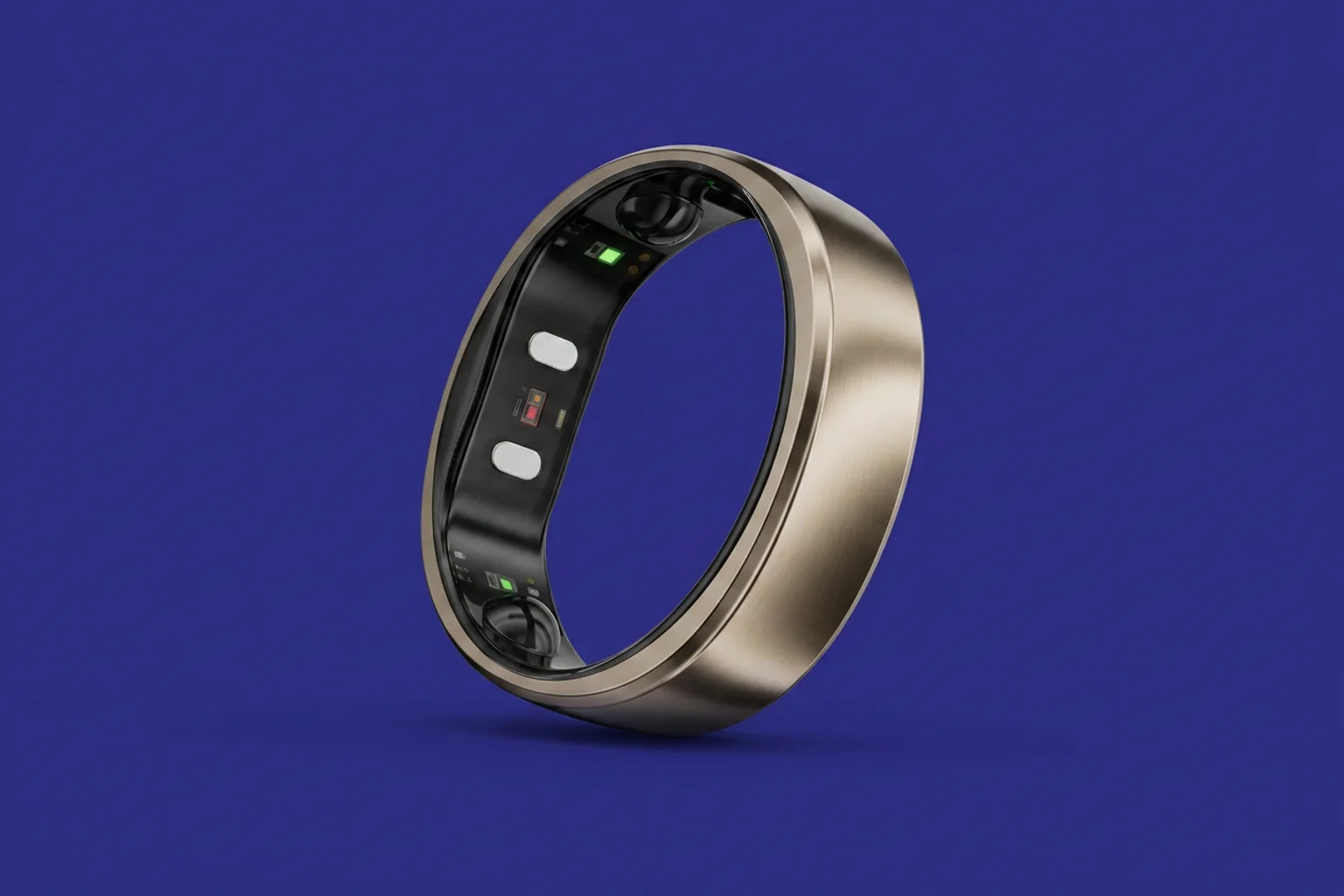
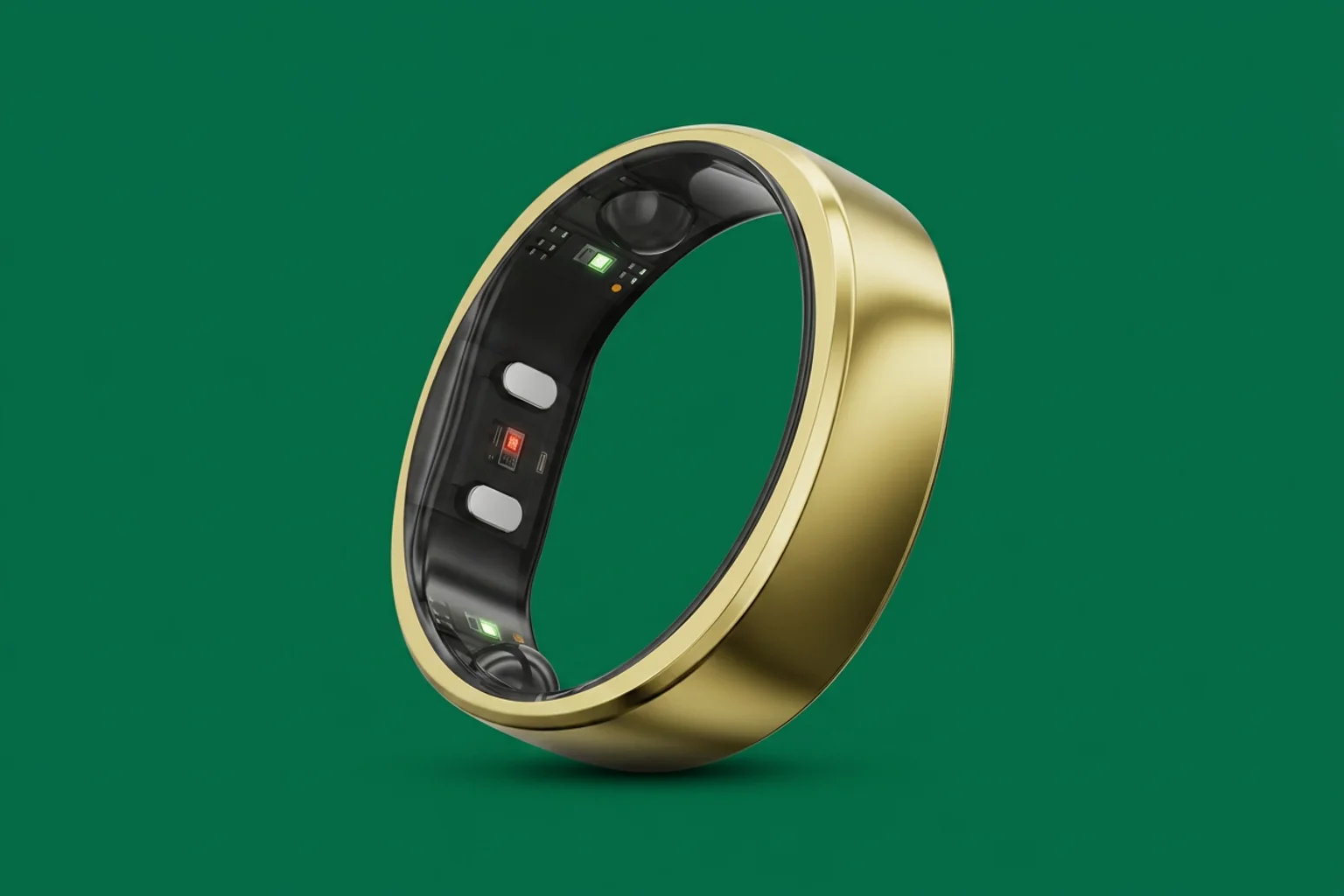
You wear a smart ring every hour of every day, including in bed, so the body matters more than the spec sheet implies. RingConn's Gen 2 is about 2 grams and roughly 2mm thin — owners routinely say it "disappears" on the finger, which is exactly what you want from something you never take off. The Gen 2 Air is even slighter at 2.5g. Oura's Ring 4 is a fine piece of industrial design, with a smooth interior and recessed sensors, but it's a chunkier ~2.9mm and heavier, and some people notice it more, especially sleeping.
Now the comfort flaw that's actually shared, but stings more on RingConn: sizing. Both brands ship a free sizing kit and you should use it — but RingConn's sizes are non-standard (they differ from normal ring sizes and between RingConn models), and its slightly oblate shape can leave a small finger-gap if you mis-order. It's the single most common RingConn complaint, and it's avoidable: order the sizing kit, wear the dummy ring for a day or two including overnight, and trust it over your "usual" ring size. Oura's sizing is a bit more forgiving but the same advice holds. Don't skip the kit on either ring.
On finish, Oura offers more colorways across its range; RingConn's choices are more limited on some models (the Gen 3 widens this to five finishes). And a small durability note from owners: RingConn's surface can pick up scratches, so it's not jewelry you baby-proof. Neither of these is a buying decision on its own — but if comfort is your top criterion, RingConn's thinner, lighter body is the better all-day companion.
App and insights: Oura's home turf — and RingConn's worst flaw
I've been defending RingConn, so let me be fair where it loses. Oura's app is the best in the category, and it's not particularly close. It's mature, beautifully laid out, syncs in the background automatically, and turns data into advice in a way that feels like guidance rather than homework. The science explainers are deeper, the period-prediction and women's-health features are well regarded, and years of iteration show. If you're the kind of person who'll actually open the app every morning and act on what it says, Oura's software is worth something real — and that's the honest case for the subscription.
RingConn's app is the opposite story: clean and readable, free forever, but plainer and rougher around the edges. Its single worst flaw is that it has no background sync — you have to open the app and hold the ring near your phone to pull data across, and if the ring's battery dies before you sync, you can lose the unsynced stretch. The app can also feel busy or slow, and its notifications are weak (no push to warn you the battery's low or the ring hasn't synced in days). None of this stops it doing the core job, but next to Oura it feels like a 1.0 against a 4.0. That's the trade you're weighing: Oura's superior, rented software versus RingConn's good-enough, owned-forever software.
The question that actually settles it is uncomfortable but useful: be honest about whether you'd use the coaching. A lot of people buy Oura, enjoy the polish for a month, then stop opening the app daily — at which point they're paying $5.99 a month for graphs they glance at. If that's you, RingConn gives you the same glanceable data with no recurring cost. If you're genuinely going to engage with the coaching and trends every day, Oura's app might earn its keep. Most buyers, in our read, are the first kind.
Who should buy which
Buy RingConn if you want to pay once and be done, you mostly care about sleep, HRV and recovery rather than daily coaching, you value a longer battery and a ring you forget you're wearing, you want sleep-apnea (AHI) flagging, or the idea of renting access to your own data bothers you on principle. The Gen 2 at $299 is the sweet-spot pick — the volume model, sleep-apnea monitoring, FSA/HSA eligible, no subscription. The Gen 2 Air at $199 is the value entry, around $150 cheaper than the cheapest Oura Ring 4 before you even count the membership.
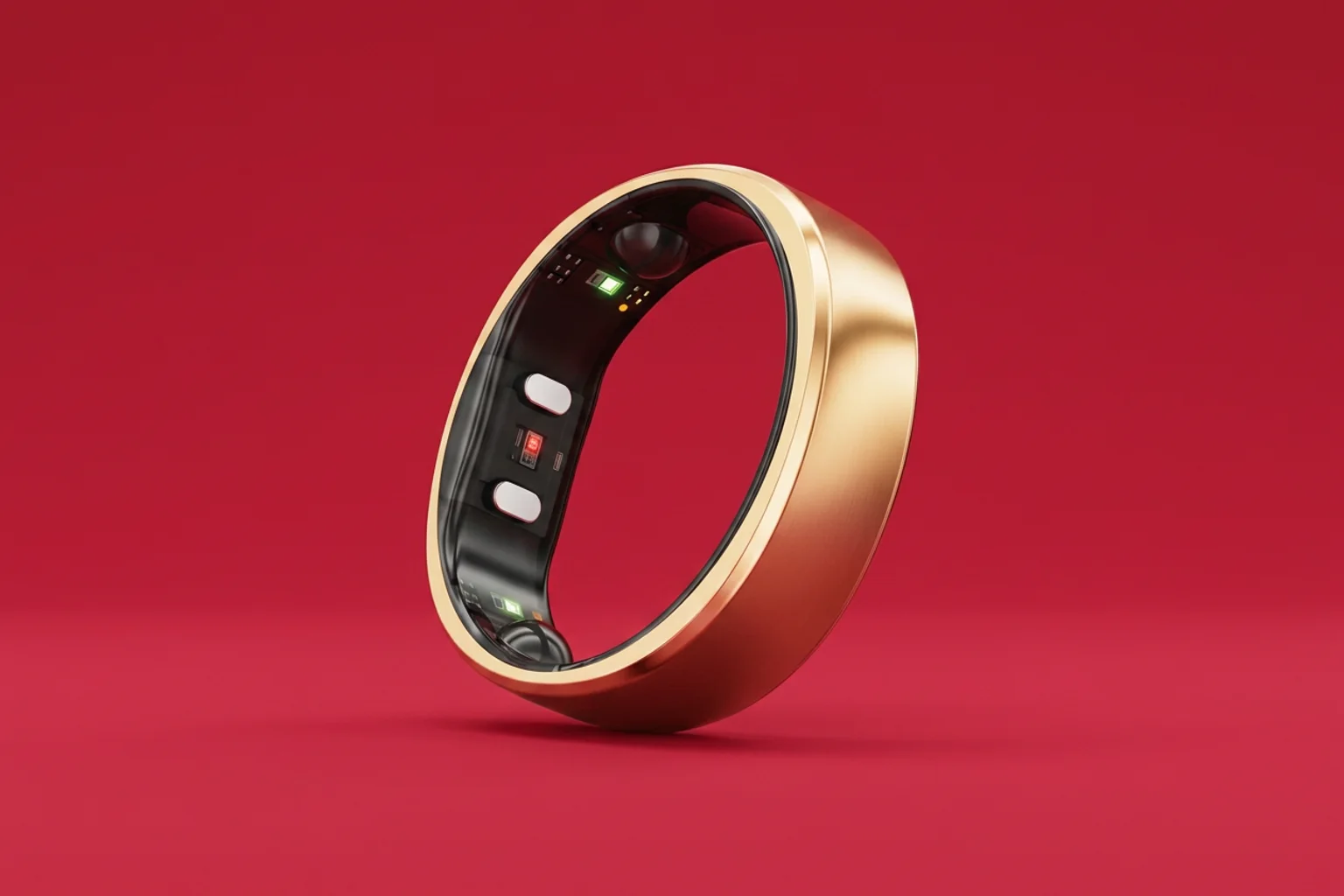
RingConn Gen 2
The one to get if you're escaping the Oura tax: world's-first auto sleep-apnea (AHI) monitoring, 10–12 day battery, ~2g body, FSA/HSA eligible — and never a monthly bill. The app is plainer than Oura's; the price makes up for it.
Check price on Amazon →Buy Oura if the app is the product to you — if you'll genuinely use the daily coaching, you want the most refined sleep and readiness insights, you care about the deepest women's-health features, and the $5.99/month doesn't bother you. Oura earns its premium on software and validation, not hardware. If that's your priority, get the one that does it best.
See the current Oura Ring 4 price and membership terms at Oura →
For most people reading a "vs" article specifically because the subscription stung, though, the honest answer is RingConn — you get the core of what Oura does for hundreds less and no recurring bill. If you've already settled on RingConn and just need to pick the model, our Gen 3 vs Gen 2 vs Gen 2 Air breakdown sorts that out, and our full RingConn Gen 2 review goes deeper on the day-to-day.
Frequently asked questions
RingConn vs Oura — which is better?
It depends on what you're optimizing for. Oura has the better app — sharper insights, gentler coaching, more validation — and wins if software is the point and you'll use it daily. RingConn wins on price, has no subscription, lasts longer per charge (10–14 days vs ~7–8), is thinner and lighter, adds sleep-apnea (AHI) monitoring, and lets you keep every feature forever. For most buyers who don't want to pay $5.99/month to read their own data, RingConn is the smarter buy; for software die-hards, Oura.
How much does the Oura ring subscription cost?
Oura's membership is $5.99 a month, or about $69.99 a year, on top of the ring's $349-and-up price. The first month is free with a new ring. Over three years that's roughly $565 all-in for hardware plus membership, and closer to $700 over five years. RingConn has no subscription at all — the ring price ($199–$349) is the entire cost.
Is RingConn a good cheaper alternative to Oura?
Yes — it's the most direct answer to "I want an Oura but not the monthly fee." RingConn tracks the same core signals (sleep stages, HRV, SpO2, heart rate, stress, temperature), the Gen 2 Air starts at $199 (about $150 under the cheapest Oura Ring 4), and there's no subscription ever. You give up some app polish and daily coaching, and RingConn's app needs a manual sync, but for the core sleep-and-recovery job it holds up well at a fraction of the lifetime cost.
Does RingConn require a subscription?
No. Every RingConn feature is included for the life of the ring — the app is free, there's no premium tier, and nothing degrades if you simply use it. That's the core difference from Oura, whose insights fall back to a basic tracker if you stop paying the $5.99/month membership.
What happens to my Oura data if I cancel the membership?
The ring keeps working as a basic tracker, but you lose the membership-only insights — your detailed Sleep, Readiness and HRV scores, trends and most of the analysis go behind the paywall, and historical insights become limited. Many owners describe this as renting access to their own data. RingConn can't do this because there's no membership to cancel; you own all features outright.
Which has better battery life, RingConn or Oura?
RingConn, clearly. The Gen 2 lasts 10–12 days, the Gen 3 up to 14, and the Gen 2 Air up to 10; Oura's Ring 4 lands around 7–8 days. RingConn's Gen 2 charging case can extend total runtime to roughly 150 days between wall charges. Both batteries are sealed and non-replaceable and will fade with age — RingConn just starts from a higher number.
Bottom line: Oura makes the better software, and if you'll genuinely live in the app every day, it might be worth renting. But the ring tracks the same core sleep and recovery signals as RingConn, costs hundreds more over its life, and degrades the moment you stop paying. RingConn gives you a thinner, longer-lasting ring with sleep-apnea monitoring, FSA/HSA eligibility and no subscription — and a plainer app you own outright. For most people picking between these two, that's the better trade, and the Gen 2 is the one to buy.