
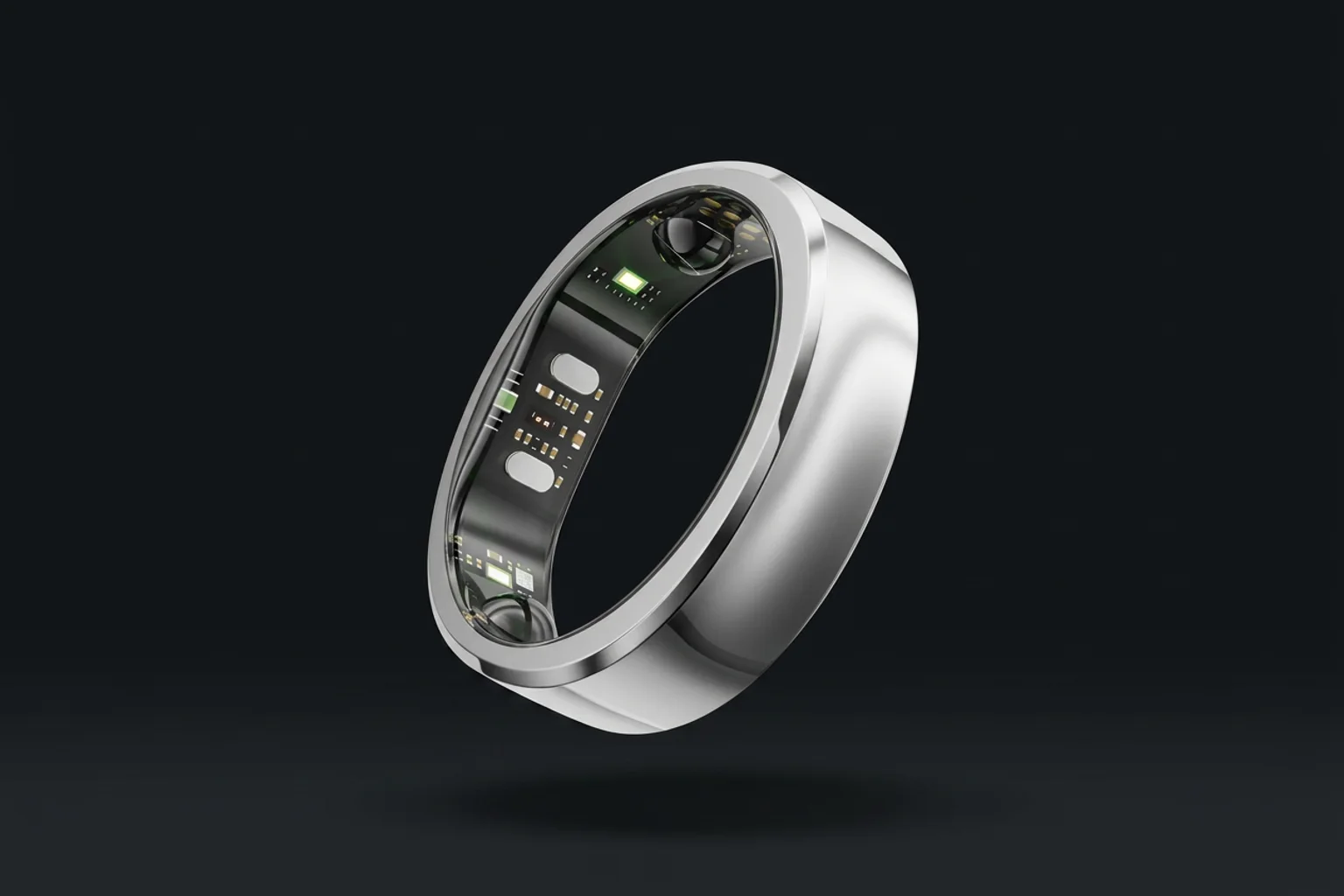
Disclosure: This guide has affiliate links — if you buy through one (we link to Amazon) we may earn a small commission at no extra cost to you. Our picks are our own. Full disclosure.
RingConn sells three rings, and the company doesn't make it obvious which one is for you — the newest isn't automatically the best buy, and the cheapest isn't the obvious compromise it looks like. All three are genuinely subscription-free, which is the whole reason people come to RingConn from Oura in the first place: you pay once and own the features forever, with no $5.99-a-month tax to keep your own data readable. Short version: the Gen 2 is the best all-rounder for most people (sleep-apnea tracking, ~12-day battery, FSA/HSA-eligible, $299); the Gen 2 Air is the best value and the lightest ring here ($199, 2.5g); and the Gen 3 is the flagship for people who want the newest sensors and on-ring haptic alerts ($349). This is a researched comparison built from RingConn's specs, live Amazon listings and aggregated owner feedback — not our own lab test — and I'll name the flaws as we go. If you're cross-shopping brands, start with our best smart ring without a subscription guide; if it's RingConn vs the obvious rival, see RingConn vs Oura.
- Most people: Gen 2 ($299). The volume model for a reason — world-first automatic sleep-apnea (AHI) monitoring, 10–12 day battery, a charging case that stretches months between wall plugs, and FSA/HSA eligibility that can knock 30–40% off via a health card.
- Best value: Gen 2 Air ($199). The lightest ring here at 2.5g, up to a 10-day battery, and roughly $150 cheaper than the cheapest Oura Ring 4 — before you even count Oura's monthly fee.
- Newest tech: Gen 3 ($349). World-first vascular-load tracking, a real haptic vibration motor for on-finger alerts, up to 14 days of battery and five finishes — the flagship, if "latest" matters to you.
- The thing they share: no subscription, ever. Free app, lifetime features, your trends stay yours. That's the wedge — but it also means the three only really differ on hardware, so buy on battery, weight and which sensors you'll actually use.
RingConn Gen 3 vs Gen 2 vs Gen 2 Air at a glance
| Model | Best for | Battery | Standout feature | Price |
|---|---|---|---|---|
| RingConn Gen 2 | Best all-round | 10–12 days (case ~150d) | World-first auto sleep-apnea (AHI) | $299 |
| RingConn Gen 2 Air | Best value / lightest | up to 10 days | 2.5g, ultra-thin, cheapest way in | $199 |
| RingConn Gen 3 | Newest tech / flagship | up to 14 days | Vascular load + haptic alerts | $349 |
A few notes the table can't hold. All three are subscription-free, ship with a free sizing kit, carry a 1-year warranty (2 years in the EEA) and a 14-day return window, and sync to Apple Health and Google Fit. The Gen 2 and Gen 2 Air are FSA/HSA-eligible, which is a real discount, not a marketing line — paying with a health card effectively nets you 30–40% off, depending on your tax situation. One honest caveat that applies to the whole line: RingConn's sizing is non-standard (it differs from normal ring sizes and between RingConn's own models), so use the free sizing kit and don't guess. We'll come back to that.
The three rings, in detail
RingConn Gen 2 — the best all-rounder ($299)
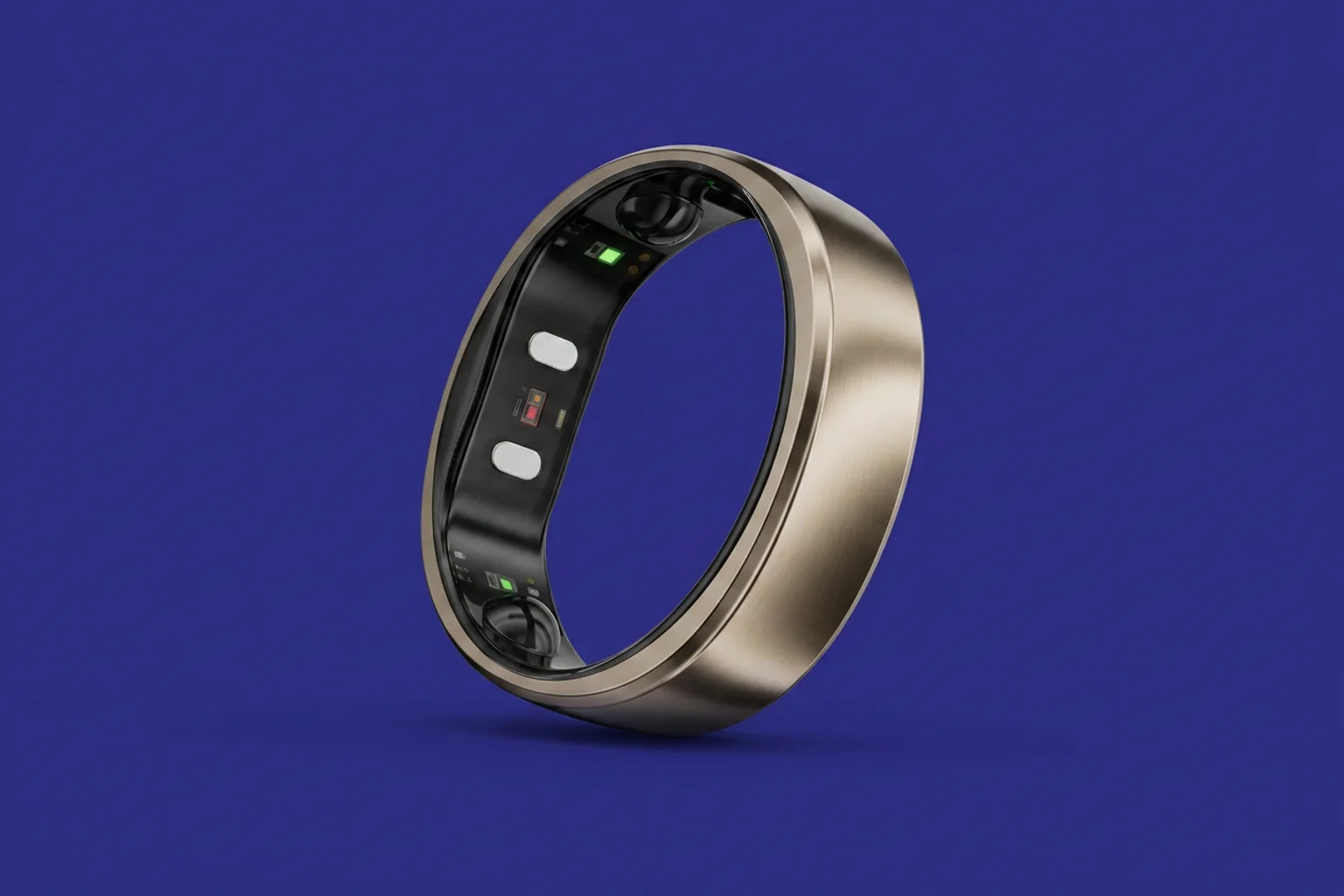
RingConn Gen 2
The volume model and the safe default: world-first automatic sleep-apnea tracking, a 10–12 day battery, a charging case that lasts months, and FSA/HSA eligibility — all with no subscription.
Check price on Amazon →If you only read one section, read this one — the Gen 2 is the ring most people should buy, and it's not close. It carries RingConn's world-first feature: automatic sleep-apnea (AHI) monitoring, which screens overnight breathing without you flipping a switch. (To be clear on the YMYL line: this is a wellness tracker that flags a signal, not a medical diagnosis — if it raises a flag, that's a conversation to have with a doctor, not a verdict.) It also has the full sensor suite — heart rate, HRV, SpO2, respiratory rate, skin temperature, stress and sleep staging — weighs about 2 grams, and is rated for water down to 100 metres.
Two practical things push it ahead of the others for everyday use. First, the battery: 10–12 days per charge, and the bundled charging case holds enough extra power to stretch the system to roughly 150 days between wall plugs, which is the difference between "another thing to charge" and "set and forget." Second, it's FSA/HSA-eligible, so for a lot of US buyers the real out-of-pocket cost lands well under $299. With 6,031 Amazon ratings at 4.2 stars, it's also by far the most-reviewed of the three, so you're buying the proven one.
The honest flaws are the same RingConn quirks across the board (covered in full below): the app has no background sync, so you have to open it and hold the ring near your phone to pull data; sleep time can read a little long; and notifications are weak. None of that is unique to the Gen 2 — but at $299 it's the model where the value math is cleanest.
RingConn Gen 2 Air — the best value ($199)
RingConn Gen 2 Air
The cheapest, lightest way into a subscription-free smart ring — 2.5g, an ~8–10 day battery, and about $150 less than the cheapest Oura Ring 4 before Oura's monthly fee even starts.
Check price on Amazon →The Gen 2 Air is RingConn's answer to "I just want the core tracking, cheaply" — and at $199 it's the highest-velocity ring in the lineup, which tells you the price lands. It's also the lightest ring here at 2.5 grams and ultra-thin (around 2mm), so it genuinely disappears on your finger; for a 24/7 wearable, that comfort matters more than people expect. It's IP68-rated and tested to 100 metres, FSA/HSA-eligible, and rated for up to 10 days of battery — reviewers tend to see closer to 8 days in real-world use, which is still excellent.
The value framing is the real story. At $199 it's roughly $150 cheaper than the cheapest Oura Ring 4 ($349) — and that's before you add Oura's $5.99-a-month membership, which the Air never charges. Over three years, an Oura sits north of $500 all-in once the included first year lapses; the Air is a flat $199, full stop. What you give up versus the Gen 2 is the dedicated sleep-apnea feature and a touch of battery headroom (no months-long charging case). If you want core sleep, HR, HRV and stress tracking without the bells, this is the smart-money pick.
RingConn Gen 3 — the flagship ($349)
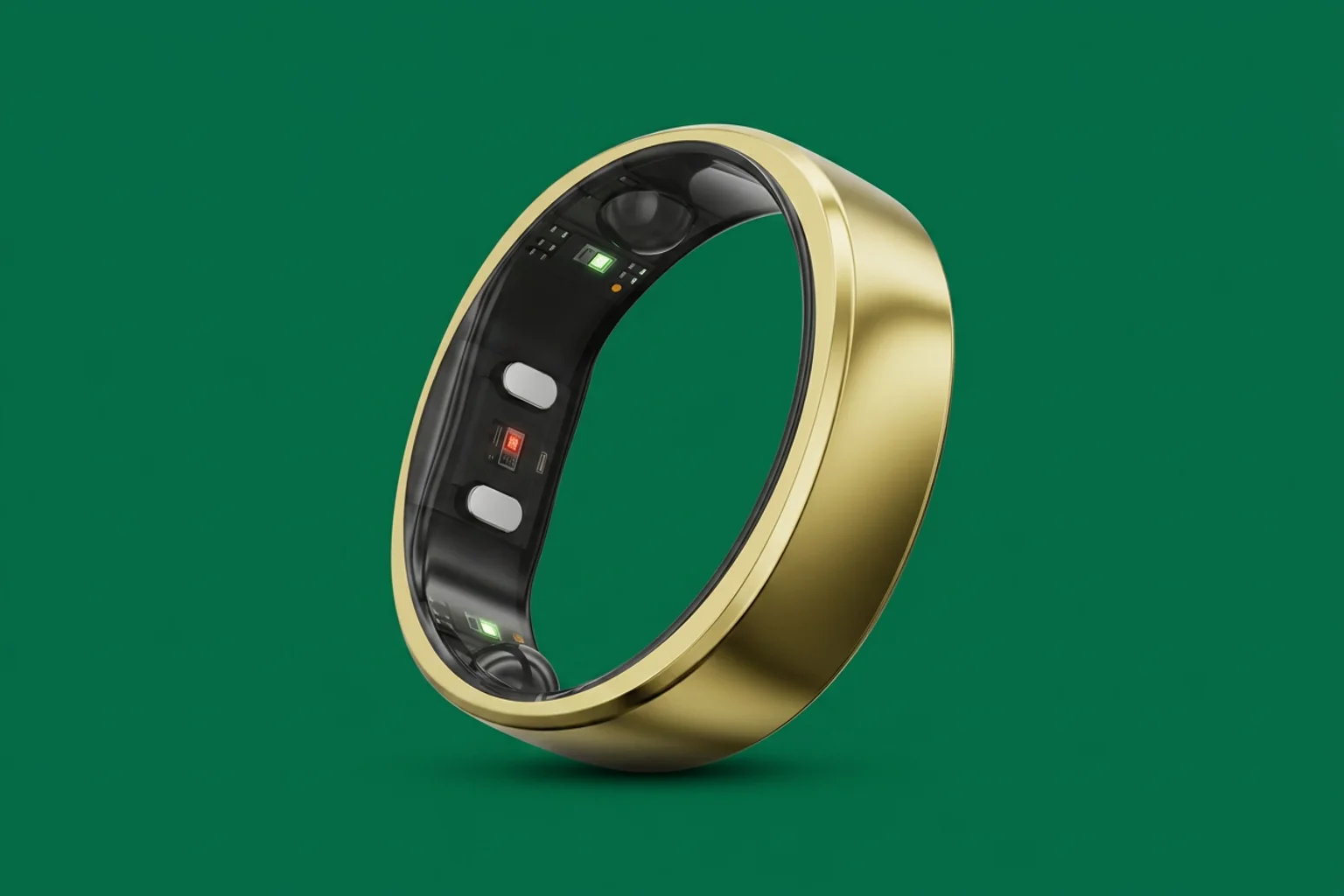
RingConn Gen 3
The newest RingConn: world-first vascular-load tracking, a haptic vibration motor for on-ring alerts, up to 14 days of battery and five finishes — for buyers who want the latest, not the cheapest.
Check price on Amazon →The Gen 3 is the new top of the range, and it earns the title with two genuine firsts. It's the world's first ring with vascular-load tracking — a measure of the strain on your circulatory system over the day — and, more usefully for most people, it's the first RingConn with a haptic vibration motor. That motor is the headline quality-of-life upgrade: the ring can buzz on your finger for high-heart-rate, inactivity, goal and low-battery alerts, which directly addresses one of the line's oldest complaints (weak, easy-to-miss notifications). It also pushes battery to up to 14 days, is IP68-rated, and comes in five finishes — the widest choice in the family.
The case against it is mostly price and timing. At $349 it's $50 more than the Gen 2 and $150 more than the Air, and with only 13 Amazon ratings so far (4.6 stars, but a small sample), it's the unproven one — early adopters are buying the freshest hardware, not the most battle-tested. Note too that vascular load is a newer, less-validated metric than the Gen 2's sleep-apnea screening, so weigh how much you'll actually use it. Buy the Gen 3 if you want the haptic alerts, the longest battery and the latest sensors and the $50 premium doesn't sting. Otherwise the Gen 2 gives you the proven core for less.
Which RingConn should you buy?
Skip the spec sheet for a second — here's the decision by who you are.
Buy the Gen 2 if you want the safe all-rounder
This is the default recommendation, and for good reason. You get the world-first sleep-apnea screening, the months-long charging-case system, the FSA/HSA discount and the most owner reviews of any RingConn — at $299, comfortably below an all-in Oura. If you're coming from "I just want a reliable, subscription-free ring and I don't want to overthink it," the Gen 2 is the one to get.
Buy the Gen 2 Air if you're price-sensitive or want the lightest ring
If $199 versus $299 matters, or if comfort is your top priority, the Air is the pick. It's the lightest and thinnest RingConn, still FSA/HSA-eligible, still subscription-free, and still does the core sleep/HR/HRV/stress tracking that most people actually look at. You trade away the dedicated sleep-apnea feature and the long-life charging case — fine if you don't need them. For first-time smart-ring buyers and anyone escaping the Oura tax on a budget, the Gen 2 Air is the value play.
Buy the Gen 3 if you want the newest hardware and on-ring alerts
If you're the type who buys the latest generation, or the weak-notifications complaint is a genuine dealbreaker for you, the haptic motor alone may justify the Gen 3. Add vascular-load tracking, up to 14 days of battery and five finishes, and it's the most capable ring RingConn makes — you're just paying $50 over the Gen 2 for newness over track record. If that's your priority, the Gen 3 is the flagship.
The flaws all three share (read before you buy)
I'd be a poor reviewer if I sent you off without the catches — and because the three rings are so closely related, they share most of them. None are dealbreakers for most people, but you should know them going in.
- No background sync. This is the big one. The app doesn't quietly sync in the background — you have to open it and hold the ring near your phone to pull data, and if the ring's battery dies before you sync, you can lose unsynced data. Make it a habit.
- The app can be busy or slow, and notifications are weak — there's no push alert for a low battery, for instance (the Gen 3's haptic motor is the partial fix, but it still won't nag your phone).
- Sizing is non-standard. RingConn's sizes don't match normal ring sizes, or even each other across models, and the rounded shape can leave a small finger-gap. Use the free sizing kit — mis-ordering is the single most common complaint.
- Accuracy has limits. Sleep time can be overestimated, and heart rate reads a touch low versus an Apple Watch, especially missing peaks during hard workouts. These are sleep-and-recovery rings, not training computers — workout tracking is limited and there's no NFC for payments.
- Battery can degrade after about a year, as with any non-replaceable cell, so the headline figures are best-case for a new ring.
For the longer version of the honest review on the proven model, see our RingConn Gen 2 review — it goes deep on day-to-day living with the ring.
How they stack up against Oura
Worth saying plainly, because it's why most people are here: every RingConn in this guide undercuts an Oura on total cost. The cheapest Oura Ring 4 starts at $349 and includes 12 months of membership, after which it renews at $5.99/month (or $69.99/year) — and if you cancel, the app degrades toward a basic tracker and gates the insights you bought the ring for. RingConn charges none of that, on any model. Across three years, an Oura runs comfortably past $500 all-in once the free year lapses; a Gen 2 Air is a flat $199 and a Gen 2 a flat $299, forever. Oura still wins on app polish and coaching — that's a real gap, not a slander — but if "own my data, pay once" is the brief, RingConn answers it. We do the full head-to-head in RingConn vs Oura.
Frequently asked questions
RingConn Gen 2 vs Gen 2 Air — what's the actual difference?
Three things, mainly. The Gen 2 ($299) adds world-first automatic sleep-apnea (AHI) monitoring and ships with a charging case that stretches the system to roughly 150 days between wall plugs. The Gen 2 Air ($199) drops both of those, but is lighter (2.5g vs ~2g — both featherweight) and $100 cheaper. Both are subscription-free, FSA/HSA-eligible, and do the same core sleep, heart-rate, HRV and stress tracking. If you want the apnea feature or the long-life case, get the Gen 2; if you want the lowest price and the lightest ring, get the Air.
RingConn Gen 3 vs Gen 2 — is the Gen 3 worth the extra $50?
It depends on whether you want the new hardware. The Gen 3 ($349) adds a haptic vibration motor for on-ring alerts (high heart rate, inactivity, goals, low battery), world-first vascular-load tracking, up to 14 days of battery, and five finishes. The Gen 2 ($299) keeps the proven sleep-apnea feature, has 6,031 Amazon reviews to the Gen 3's 13, and is FSA/HSA-eligible. If the haptic alerts solve a real annoyance for you, or you simply want the latest, the Gen 3 earns its premium. If you want the most battle-tested ring for less, stick with the Gen 2.
Do any RingConn rings require a subscription?
No — none of them, ever. You pay once and own every feature for the life of the ring, with a free app and free updates. That's the core reason people switch from Oura, which charges $5.99/month (or $69.99/year) after a 12-month included membership and gates its insights if you cancel. With RingConn, your sleep, HRV and trend data stays fully readable whether you keep using it for a month or five years.
Is the RingConn Gen 2 Air worth it?
For subscription-averse, set-and-forget buyers, yes. At $199 it's the cheapest and lightest (2.5g) way into a RingConn, gets roughly 8–10 days of battery, is IP68-rated and tested to 100 metres, and is FSA/HSA-eligible — and it's about $150 cheaper than the cheapest Oura Ring 4 before Oura's monthly fee. You give up the dedicated sleep-apnea screening and the months-long charging case versus the Gen 2, so if those matter, step up. For core tracking on a budget, the Air is the value pick of the lineup.
Are RingConn rings FSA/HSA eligible?
The Gen 2 and Gen 2 Air are FSA/HSA-eligible, which is a real discount — paying with a health card can net you roughly 30–40% off depending on your tax situation, so the effective price drops well below the sticker. Always confirm eligibility with your own FSA/HSA administrator before you buy, since plan rules vary.
How do I get the right RingConn size?
Use the free sizing kit — don't guess from a normal ring size. RingConn's sizing is non-standard: it differs from regular ring sizes and even between RingConn's own models, and the rounded shape can leave a small finger-gap if you mis-order. The kit ships first so you can wear a sample for a day or two (fingers swell and shrink) before the real ring arrives. Mis-ordering is the most common complaint with these rings, and the kit is the fix.
Can I buy RingConn Care+ in the US?
Not for a new purchase of the Gen 3, Gen 2 or Gen 2 Air — Care+ is not currently sold to new US buyers of these models. If you already have Care+ coverage, it stays valid. Every RingConn still comes with a standard 1-year warranty (2 years in the EEA) and a 14-day return window, so you're covered against defects either way.
Bottom line: most people should buy the Gen 2 — it's the proven all-rounder with the sleep-apnea feature, the long-life case and the FSA/HSA discount at $299. Budget and comfort buyers should take the Gen 2 Air at $199, the lightest and best-value way in. And if you want the newest sensors and on-ring haptic alerts, the Gen 3 at $349 is the flagship. Whichever you pick, you're getting the same real win: no subscription, ever, and your data stays yours.