
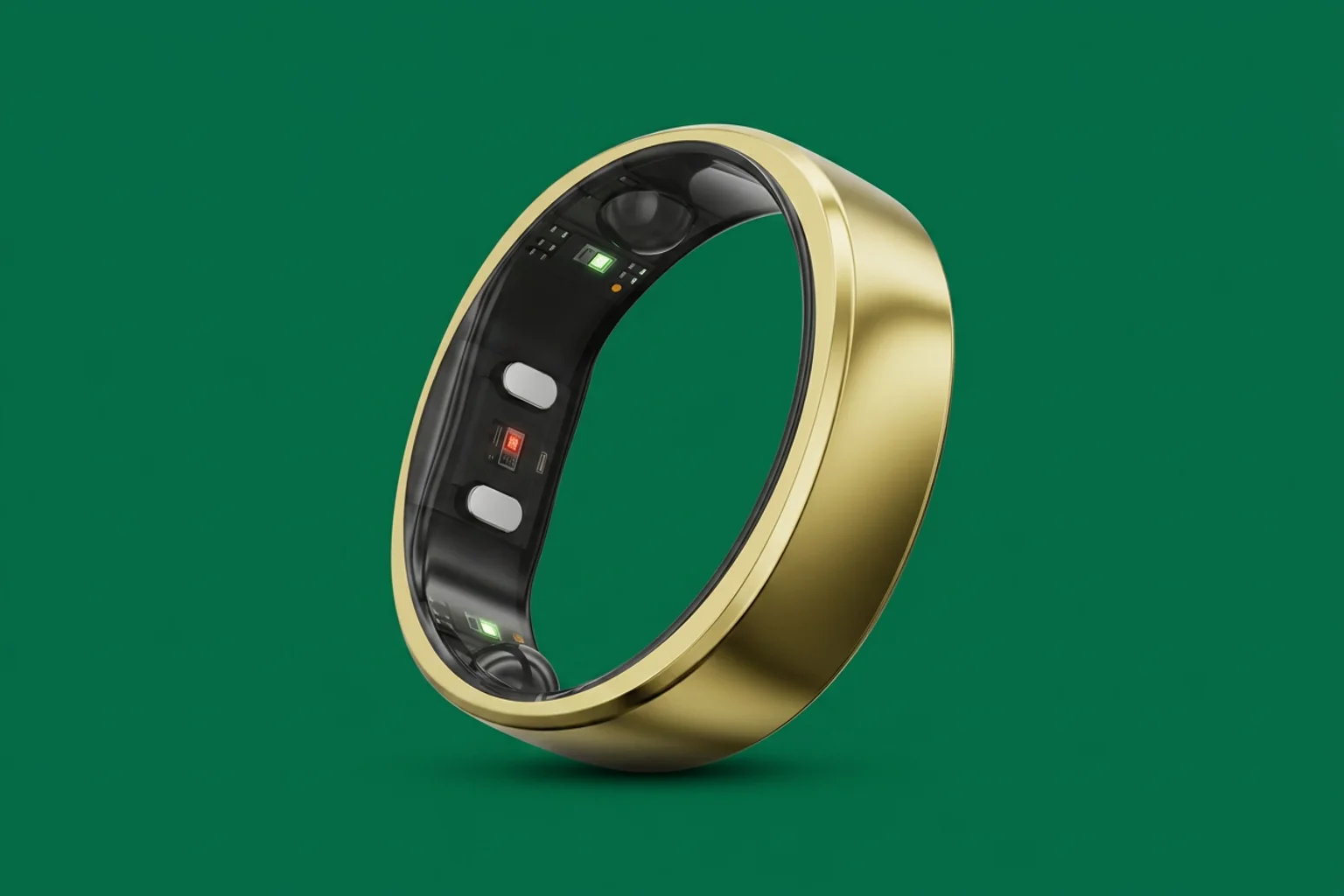
Disclosure: This guide has affiliate links — if you buy through one (we link to Amazon) we may earn a small commission at no extra cost to you. Our picks are our own. Full disclosure.
The smart-ring everyone names first — the Oura Ring — has a catch its ads don't dwell on: after the first year, you pay $5.99 a month to keep the insights you bought the ring for, and if you cancel it quietly degrades toward a basic step counter. This guide is about the rings that don't do that. Pay once, own the features forever, keep your data. Short version: the best no-subscription smart ring overall is the RingConn Gen 2 — it's the only ring here with automatic sleep-apnea (AHI) tracking, runs 10–12 days on a charge, is FSA/HSA eligible, and costs $299 flat. If you just want the cheapest way in, the RingConn Gen 2 Air at $199 is the value pick. We've kept the comparison honest, so Ultrahuman, Samsung and Circul are all in the table too. If you're specifically cross-shopping against Oura, our RingConn vs Oura breakdown goes deeper on that one matchup.
- Best overall (no sub): RingConn Gen 2 — world-first automatic sleep-apnea monitoring, 10–12 day battery, FSA/HSA eligible, $299 with no monthly fee, ever.
- Best value: RingConn Gen 2 Air — $199, just 2.5 g, around $150 cheaper than the cheapest Oura Ring 4, also subscription-free.
- Why Oura isn't on the list: it requires a paid membership ($5.99/mo) to unlock its insights — the exact thing this guide is about escaping.
- The money line: an Oura runs roughly $490–$565 over three years once the membership kicks in; a flat no-sub ring is a one-time $199–$399 and done.
Why Oura is excluded — and what "no subscription" really means
Let's deal with the elephant first. The Oura Ring 4 is a genuinely excellent piece of hardware, and on app polish and coaching it's still the one to beat. But it isn't on this list for one reason: it needs a subscription. New rings include 12 months of Oura Membership, after which you pay $5.99/month (or $69.99/year) to keep sleep staging, readiness, HRV trends and period prediction. Cancel, and Oura itself says the experience drops to a basic view — you keep the ring, but most of why you bought it goes behind the paywall again.
That's the "Oura tax," and it's the whole reason this category exists. A no-subscription ring flips the model: you pay once for the hardware, the app is free forever, and every feature the ring shipped with stays unlocked for the life of the device. No renewal email, no feature degradation, no holding your trends hostage. For a lot of people that peace of mind is worth more than a slightly slicker app.
One honest caveat before we rank anything: "no subscription" is now table stakes. RingConn, Ultrahuman, Samsung and Circul all ship subscription-free, so "no monthly fee" alone can't be the tiebreaker. What actually separates them is what the ring measures, how long the battery lasts, how it fits, and what it costs up front. That's what the rest of this guide ranks on.
The no-subscription smart rings, compared
| Ring | Best for | Battery | Subscription | Price |
|---|---|---|---|---|
| RingConn Gen 2 | Best overall no-sub | 10–12 days | None, ever | ~$299 |
| RingConn Gen 2 Air | Best value | Up to 10 days | None, ever | ~$199 |
| Ultrahuman Ring AIR | Strong app, no sub | ~6 days | None | ~$349 |
| Samsung Galaxy Ring | Best with a Samsung phone | Up to 7 days | None | ~$399 (often $299) |
| Circul Ring | Adaptive sizing | ~2 days | None | ~$199 |
| Oura Ring 4 | Excluded — needs a sub | Up to 8 days | $5.99/mo after yr 1 | $349+ |
Prices and battery figures are manufacturer specs at the time of writing and drift with sales — re-check before you buy. Now, the picks.
1. RingConn Gen 2 — best no-subscription smart ring overall
RingConn Gen 2
The only ring here with automatic sleep-apnea (AHI) tracking, plus 10–12 day battery, ~2 g comfort and FSA/HSA eligibility — all with no monthly fee, ever.
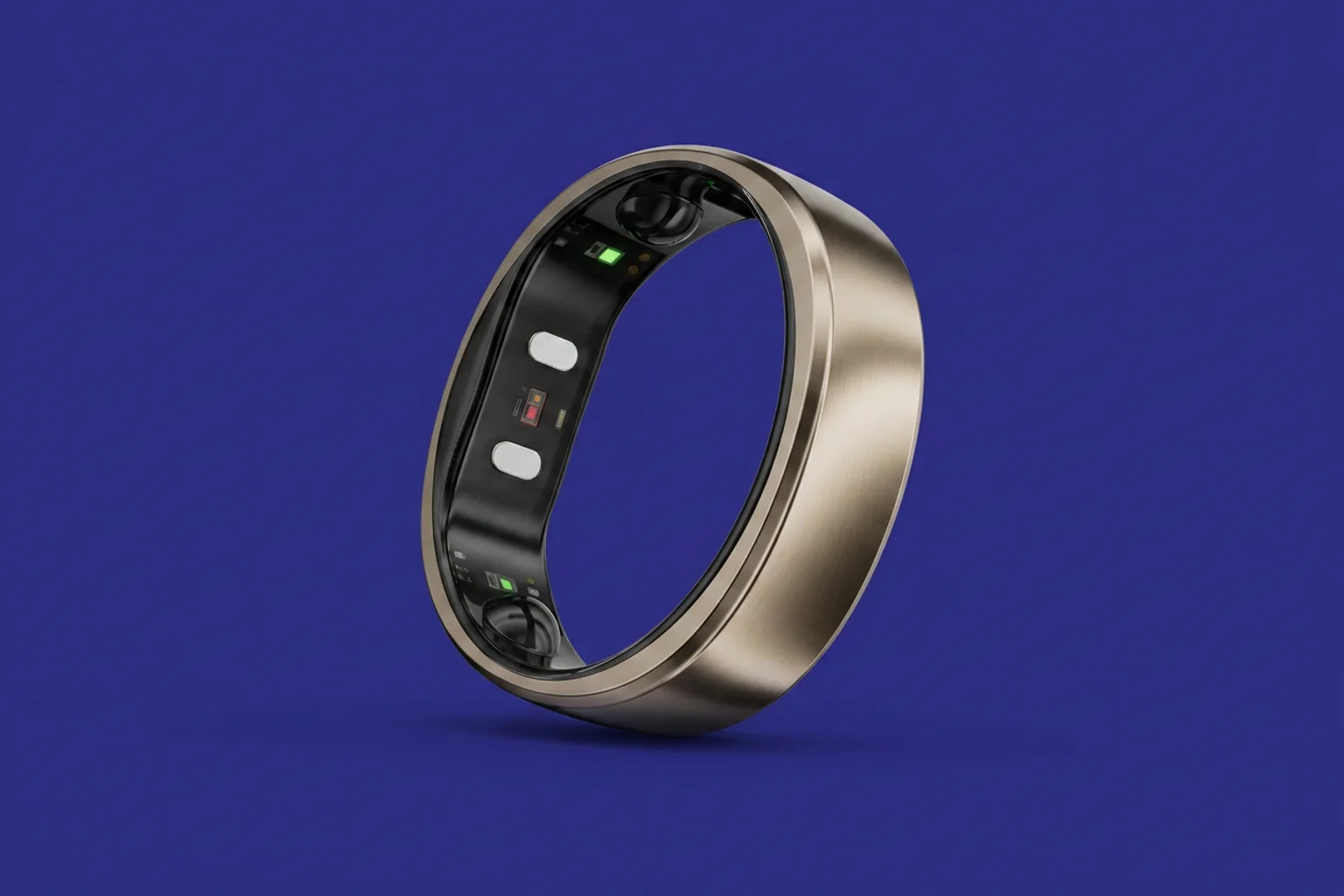
Check price on Amazon →If you want one ring that does the most for your money without ever asking for a renewal, this is it. The Gen 2 is RingConn's volume model and it earns the spot on a feature nobody else can claim: it was the world's first ring with automatic sleep-apnea (AHI) monitoring built in — it watches for the breathing interruptions that hint at apnea while you sleep, with no extra hardware and no upcharge. Around it sits a complete sensor suite: heart rate, HRV, SpO2, respiratory rate, skin temperature, stress and full sleep staging. Battery runs 10–12 days per charge, and the bundled charging case stretches total runtime to roughly 150 days between wall plugs — genuinely a set-and-forget device. It's water-resistant up to 100 m, weighs about 2 g so it disappears on your finger, and it's FSA/HSA eligible, which for a lot of US buyers knocks 30–40% off the real cost. And the headline: $299 once, no subscription, free app for life.
Now the flaws, because there are real ones. The app has no background sync — you have to open it and hold the ring near your phone to pull data, and if the battery dies before you do, that stretch is gone. The app itself can be busy and slow, and notifications are weak: there's no push when the battery's low. Sizing is non-standard (it differs from regular ring sizes and between RingConn models), so the free sizing kit isn't optional — order from it, not from a guess, and read our smart ring sizing guide first. Sleep time can read a touch long, and heart rate sometimes sits low versus an Apple Watch on hard workouts. None of that undoes the core value: for honest, subscription-free health tracking with the one standout sensor in the category, the Gen 2 is the easy overall call. We go deeper on the trade-offs in our full RingConn Gen 2 review, and for how it stacks against the cheaper and pricier RingConns, see our Gen 3 vs Gen 2 vs Gen 2 Air breakdown.
Pros
- World-first automatic sleep-apnea (AHI) monitoring — unique in this list
- 10–12 day battery, plus a charging case that extends total runtime to ~150 days
- FSA/HSA eligible, ~2 g comfort, water-resistant to 100 m
- $299 one-time — no subscription, free app forever
Cons
- No background sync — must open the app and hold the ring near the phone
- Weak notifications (no low-battery push); app can be slow
- Non-standard sizing — use the free kit or you'll mis-order
- Sleep time can read long; HR reads low on hard workouts
2. RingConn Gen 2 Air — best value, the cheapest way in
RingConn Gen 2 Air
Around $150 less than the cheapest Oura Ring 4, just 2.5 g, no subscription — the easiest first smart ring for anyone who wants core tracking without the spend.
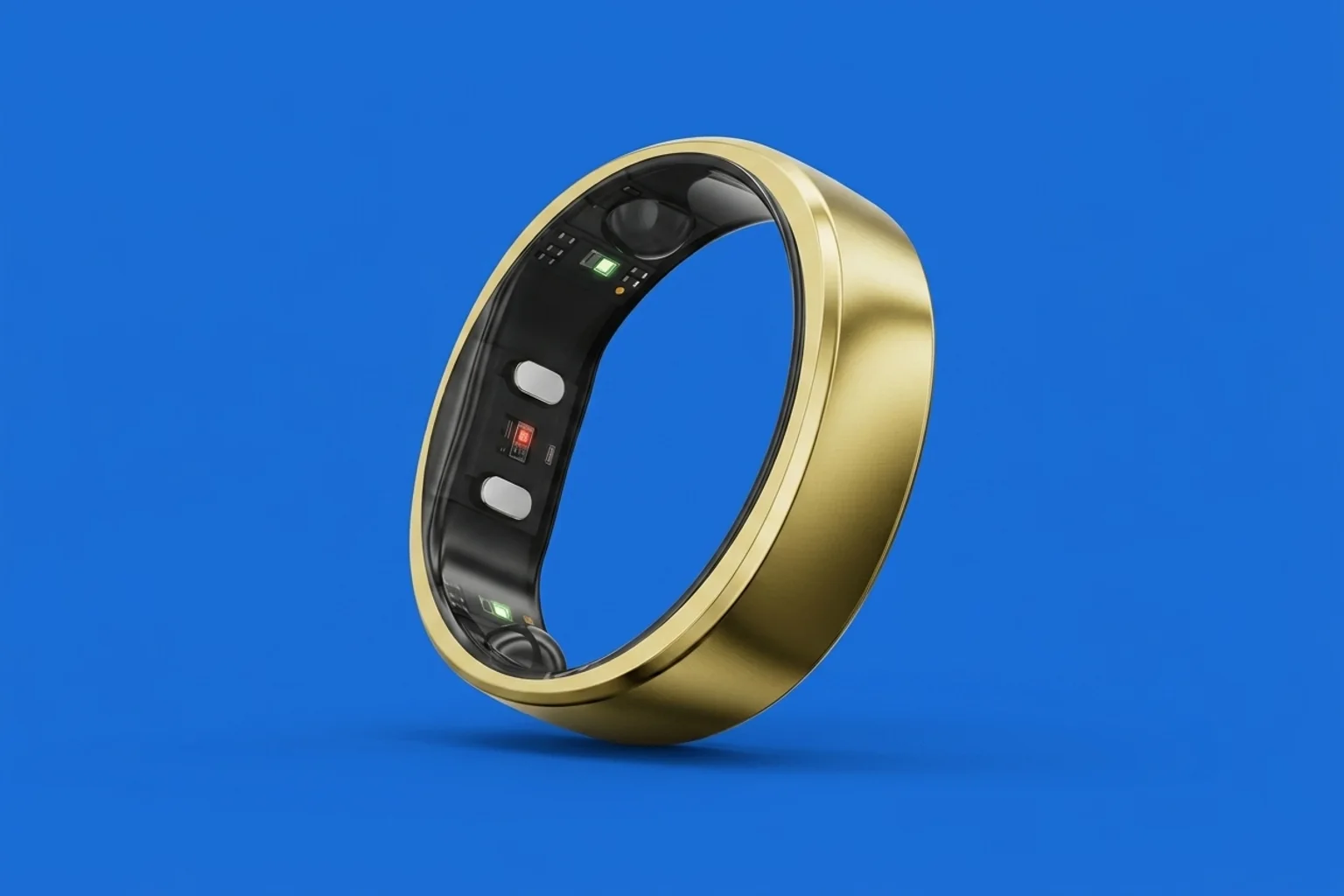
Check price on Amazon →The Gen 2 Air is the value play, and it's RingConn's fastest-selling model for a reason: it's about $150 cheaper than the cheapest Oura Ring 4, and that's before you even count the membership Oura adds on top. At $199 you get the core of what makes a smart ring useful — sleep tracking, heart rate, HRV, SpO2, stress and step counting — in an ultra-thin 2.5 g body that's roughly 2 mm slim, so it's barely there. It's IP68 rated and tested to 100 m, charges fully in about 90 minutes, and like every RingConn it's FSA/HSA eligible and subscription-free. Battery is rated up to 10 days; reviewers tend to see closer to 8 in real use, which is still excellent.
What you give up versus the Gen 2 above is the headline sensor — the Air drops the automatic sleep-apnea (AHI) monitoring — and it comes in fewer finishes. Battery is a notch shorter, and it shares the family flaws: the same no-background-sync workflow, the same non-standard sizing you must order with the kit, the same occasionally sluggish app. But if you're subscription-averse, dipping a toe in, or buying your first ring, this is the most sensible $199 in the category. It's the one we'd hand someone who balks at spending $300+ on a finger gadget. For a deeper look at where it sits in the lineup, the three-way RingConn comparison lays it out.
Pros
- $199 — about $150 under the cheapest Oura Ring 4, and no subscription on top
- Ultra-thin 2.5 g / ~2 mm — the most comfortable ring here
- IP68, tested to 100 m, ~90-minute full charge, FSA/HSA eligible
- All the core sensors most people actually use
Cons
- No sleep-apnea (AHI) tracking — that's the Gen 2's job
- Real-world battery ~8 days, a touch short of the rating
- Same no-background-sync and non-standard sizing quirks
- Fewer finish options than the pricier models
3. Ultrahuman Ring AIR — the strongest app among no-sub rings
Ultrahuman Ring AIR
A polished, insight-rich app with no subscription attached — the closest no-sub ring to Oura's software experience, but it costs RingConn-Gen-2-plus-fifty.
Check price at Ultrahuman →If your hesitation about leaving Oura is really about the software, the Ultrahuman Ring AIR is the one to look at. It's the no-subscription ring whose app comes closest to Oura's depth — strong sleep and recovery scoring, a clean interface, and feature ideas Ultrahuman keeps shipping (glucose-aware add-ons, circadian "phase advisor" nudges). It's a one-time $349 with lifelong access to your data and no recurring fee, and it ships in a wide range of finishes. For people who live in the app and want the coaching-style guidance Oura is known for, without the monthly bill, it's a legitimate pick.
Where it slips behind the RingConns: price and battery. At $349 it's $50 more than the Gen 2 and $150 more than the Gen 2 Air, and battery life is the weak spot — it's rated around six days and reviewers often see less, so you'll be charging it noticeably more often than a RingConn. It also doesn't carry the Gen 2's automatic sleep-apnea monitoring. Buy it if the app experience is your priority and the price doesn't sting; otherwise the Gen 2 does more of the health basics for less.
Pros
- The most polished, insight-rich app of the no-sub rings
- One-time $349, no subscription, lifelong data access
- Wide choice of finishes; frequent feature updates
Cons
- ~6-day battery (often less) — far short of RingConn's 10–12
- $349 — pricier than both RingConns
- No automatic sleep-apnea (AHI) monitoring
4. Samsung Galaxy Ring — best if you live in the Samsung world
Samsung Galaxy Ring
A slick, subscription-free ring that plugs straight into Samsung Health — but the full experience really wants a Galaxy phone, and it's the priciest pick at list.
Check price at Samsung →For someone already inside Samsung's ecosystem, the Galaxy Ring is the natural choice. It's subscription-free, it feeds into the Samsung Health app you may already use, and little touches — like a double-pinch gesture to dismiss an alarm or snap a photo — only work with a Galaxy phone, which tells you who it's built for. Battery is rated up to seven days, the titanium build is genuinely nice, and while list price is $399, Samsung has repeatedly dropped it to $299, which makes it far more competitive. If your phone is a Galaxy and you want everything in one app, it's a tidy, no-fee package.
The honest limits: it leans on having a Samsung phone to shine, so iPhone owners and non-Samsung Android users should look elsewhere first. At its $399 list it's the most expensive ring in this guide, the seven-day battery trails RingConn's, and there's no sleep-apnea tracking. It's a strong pick for a narrow audience — Galaxy owners — and an awkward one for everyone else.
Pros
- No subscription; integrates cleanly with Samsung Health
- Premium titanium build; handy gestures on Galaxy phones
- Frequently discounted to $299, which sharpens the value
Cons
- Best features really need a Samsung phone
- $399 list is the priciest here; 7-day battery trails RingConn
- No sleep-apnea (AHI) monitoring
5. Circul Ring — adaptive sizing, if fit is your sticking point
Circul Ring
Its adaptive, spring-loaded fit sidesteps the sizing-kit lottery that plagues this category — but the short battery and thicker build are real compromises.
Check price at Circul →Sizing is the quiet pain of smart rings — order wrong and you've got an expensive paperweight. Circul's answer is an adaptive, spring-loaded ring that adjusts to your finger, so one device fits a range of sizes and you skip the order-by-kit gamble entirely. At around $199 with no subscription, it's the pick for anyone between sizes, with knuckles that fight a fixed band, or who just doesn't want to deal with a sizing kit. It also covers the core metrics — SpO2, heart rate, sleep — at a reasonable price.
The compromises are steep, though, and they're why it ranks last. Battery life is short — on the order of a couple of days, not a couple of weeks — so it's a frequent-charger. The build is chunkier and less "real ring" than the slim RingConns or the titanium Samsung, and the app and data polish don't match the leaders. Buy the Circul specifically if adaptive fit is the feature that unblocks you; otherwise its rivals do more for the same money.
Pros
- Adaptive, spring-loaded sizing — no sizing kit, no mis-order risk
- No subscription; ~$199 entry price
- Covers the core SpO2 / HR / sleep metrics
Cons
- Very short battery — roughly a couple of days per charge
- Bulkier, less ring-like build
- App and data polish trail the leaders
The real cost: no-sub ring vs the Oura tax over 3 years
The sticker price is only half the story, and it's where no-subscription rings win the argument. Here's the three-year math, which is the time horizon most people keep a ring.
An Oura Ring 4 starts at $349 and includes the first 12 months of membership. After that, you pay $5.99/month to keep your insights unlocked. Run that out: $349 up front, then 24 more months at $5.99 once the free year ends, and you're at roughly $490 over three years — and that's the floor. Skip the bundled year, count the full $5.99/month from day one as many owners effectively do across a longer ownership window, and the figure climbs toward $565 over three years and keeps rising every month you own it.
Against that, a no-subscription ring is a flat line. The RingConn Gen 2 is $299, once. The Gen 2 Air is $199, once. Three years in, five years in, ten years in — still $299 or $199, with every feature still working and your data still yours. Factor in FSA/HSA eligibility on the RingConns and the real out-of-pocket can drop further. The hardware gap between a good no-sub ring and an Oura is small and shrinking; the cost gap only grows. That's the case in one sentence: you're not paying less for less — you're paying less, once, for a ring that doesn't bill you to keep working.
How to choose your no-subscription ring
Five quick filters will land you on the right one.
Start with what you want measured. If sleep and breathing are the point — especially if apnea is on your mind — the RingConn Gen 2 is the only ring here with automatic AHI monitoring, so it's the default. For general all-day health tracking, any of the top three will do.
Then set your budget honestly. $199 buys the Gen 2 Air or the Circul; $299 the Gen 2; $349 the Ultrahuman; $399 (or $299 on sale) the Samsung. Remember none of these adds a monthly fee, so the number you see is the number you pay.
Match it to your phone. The Galaxy Ring is only worth its price if you carry a Samsung phone. RingConn and Ultrahuman are phone-agnostic and sync to Apple Health and Google Fit.
Take sizing seriously. Smart-ring sizing is non-standard and the most common cause of returns. Order from the free sizing kit, wear the sizer for a day, and account for finger swelling — our sizing guide walks through it. If you can't face the kit, Circul's adaptive fit is the workaround.
Mind the battery and the workflow. RingConn's 10–12 days (Gen 2) is the best of the bunch; Circul's ~2 days the worst. And remember RingConn's app needs a manual sync — open it and hold the ring close — so build that into your routine if you go that way.
Does a smart ring require a subscription?
Not all of them — that's the whole point of this guide. The Oura Ring requires a $5.99/month membership to unlock its insights after the first year. But RingConn, Ultrahuman, Samsung and Circul all ship subscription-free: you pay once for the ring, the app is free, and every feature stays unlocked for the life of the device. If avoiding a monthly fee matters to you, pick one of those and skip Oura.
What is the best smart ring without a subscription?
Overall, the RingConn Gen 2 ($299) — it's the only no-sub ring with automatic sleep-apnea (AHI) monitoring, runs 10–12 days per charge, is FSA/HSA eligible, and has no monthly fee ever. If you want the cheapest way in, the RingConn Gen 2 Air ($199) is the value pick. Ultrahuman's Ring AIR is the choice if you most want a polished app, and the Samsung Galaxy Ring suits Samsung-phone owners.
How much does the Oura Ring subscription cost?
Oura Membership is $5.99/month or $69.99/year in the US. New Oura Ring 4 buyers get the first 12 months included, after which the fee begins. Over three years that pushes the true cost of an Oura to roughly $490–$565 once the ring's $349+ price is added in — versus a flat one-time $199–$399 for a no-subscription ring that never bills you again. Always confirm Oura's current pricing on their site before relying on these figures.
Is RingConn worth it?
For a subscription-free buyer, yes. You get core sleep, heart-rate, HRV and stress tracking — plus automatic sleep-apnea monitoring on the Gen 2 — with a 10–12 day battery, a 1-year warranty (2 years in the EEA) and a 14-day return window, all with no recurring fee. The honest trade-offs are the manual app sync, weak notifications and non-standard sizing. If you want core tracking without monthly bills, it's worth it; if you want the slickest app, weigh Ultrahuman or Oura.
Is RingConn FSA/HSA eligible?
Yes — RingConn rings are FSA/HSA eligible, which for many US buyers effectively cuts the net cost by roughly 30–40% by letting you pay with pre-tax health-spending dollars. It's one of the quieter reasons the RingConns beat their rivals on real-world value: the $299 Gen 2 or $199 Gen 2 Air can cost meaningfully less out of pocket. Check your specific plan's rules, and keep your receipt.
RingConn vs Oura — which is better?
RingConn wins on price, no subscription, battery life and a thin ~2 g fit; Oura wins on app insights and coaching polish. If your priority is owning your data and never paying a monthly fee, RingConn is the better buy — and the Gen 2 adds sleep-apnea tracking Oura doesn't match. If you'll happily pay for the most refined software, Oura still leads there. Our full RingConn vs Oura comparison breaks the matchup down feature by feature.
Bottom line: the no-subscription ring you want is almost certainly a RingConn. The Gen 2 is the best overall — sleep-apnea tracking, a 12-day battery and FSA/HSA eligibility for a flat $299 — and the Gen 2 Air is the value champion at $199. Ultrahuman is the pick if the app is everything to you, Samsung if you carry a Galaxy phone, and Circul if adaptive sizing is what unblocks you. Whatever you choose, you'll do the thing Oura makes hard: pay once, own it, and never see a renewal email. If sleep is your main reason for buying, our best smart ring for sleep guide goes deeper on that single job.