
Disclosure: This review has affiliate links — if you buy through one (we link to Amazon) we may earn a small commission at no extra cost to you. My verdict is my own. Full disclosure.
Most smart rings ask you to buy the hardware and then keep paying to read your own data. The RingConn Gen 2 is the one that doesn't: no subscription, ever, plus a battery that lasts nearly two weeks and a genuinely novel trick — it's the first smart ring that screens for sleep apnea automatically. Short version: if you want Oura-style sleep, heart-rate and recovery tracking without the $5.99-a-month tax, this is the ring to beat, and at around $299 (FSA/HSA-eligible) it undercuts the big name on total cost by a wide margin. It isn't perfect — the app is the weak link and a couple of accuracy quirks are worth knowing — but for the right buyer it's the easiest no-subscription pick on the market. This is a researched review built from RingConn's published specs, independent pro reviews and aggregated owner feedback — not our own lab test — and I'll flag exactly where the marketing and reality part ways. For the wider field, see our best smart ring without a subscription roundup.
- The verdict: the best all-round subscription-free smart ring — strong sleep, HRV and recovery tracking, a ~12-day battery, and no recurring fee, for around $299.
- Who it's for: people who want the core of an Oura without renting their data, value long battery life and comfort, and like that it's FSA/HSA-eligible.
- The catch: the app is functional but busy and won't sync in the background, step/heart-rate accuracy trails a wrist wearable, and the sizing is non-standard — order a sizing kit first.
RingConn Gen 2 — the scorecard
-
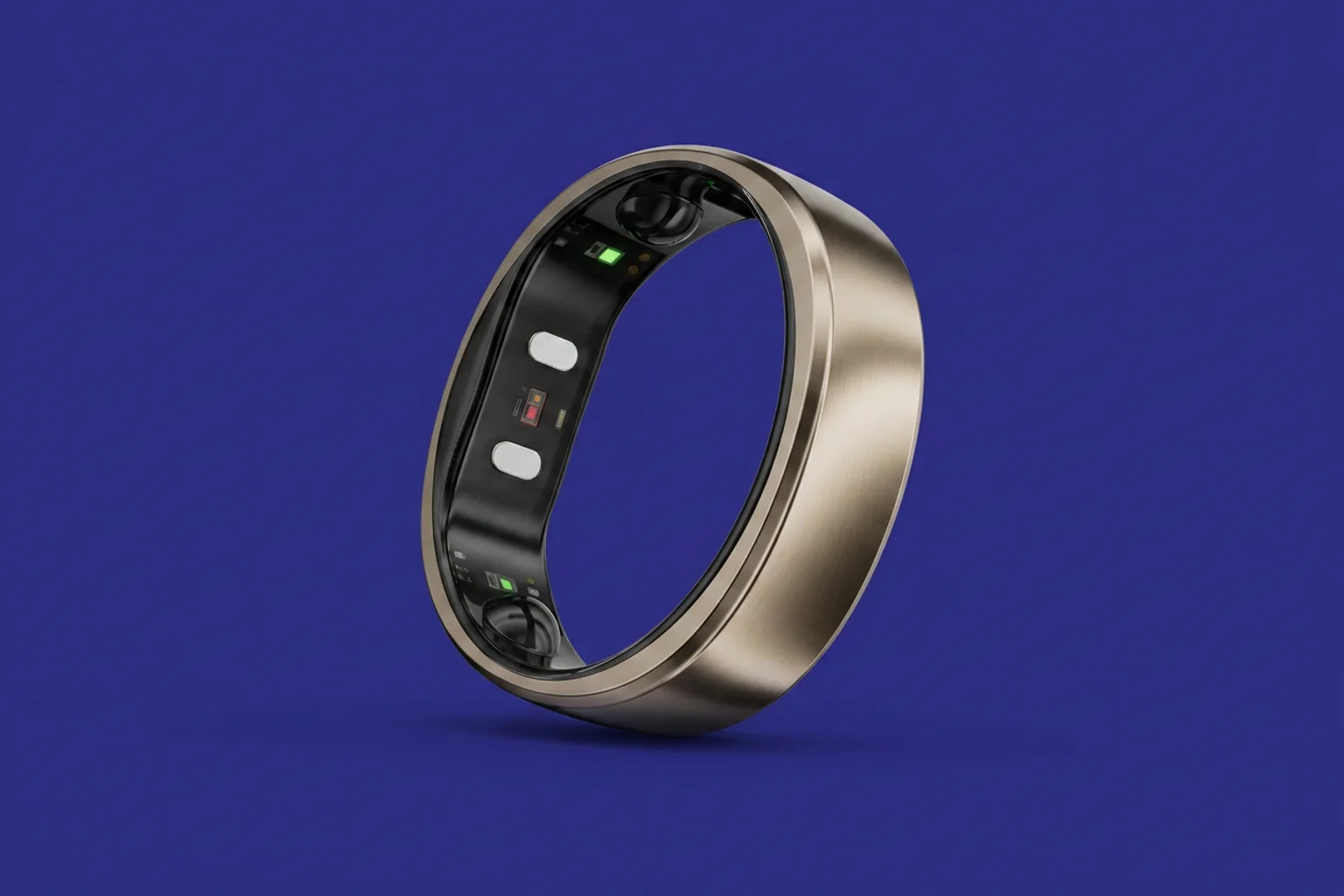
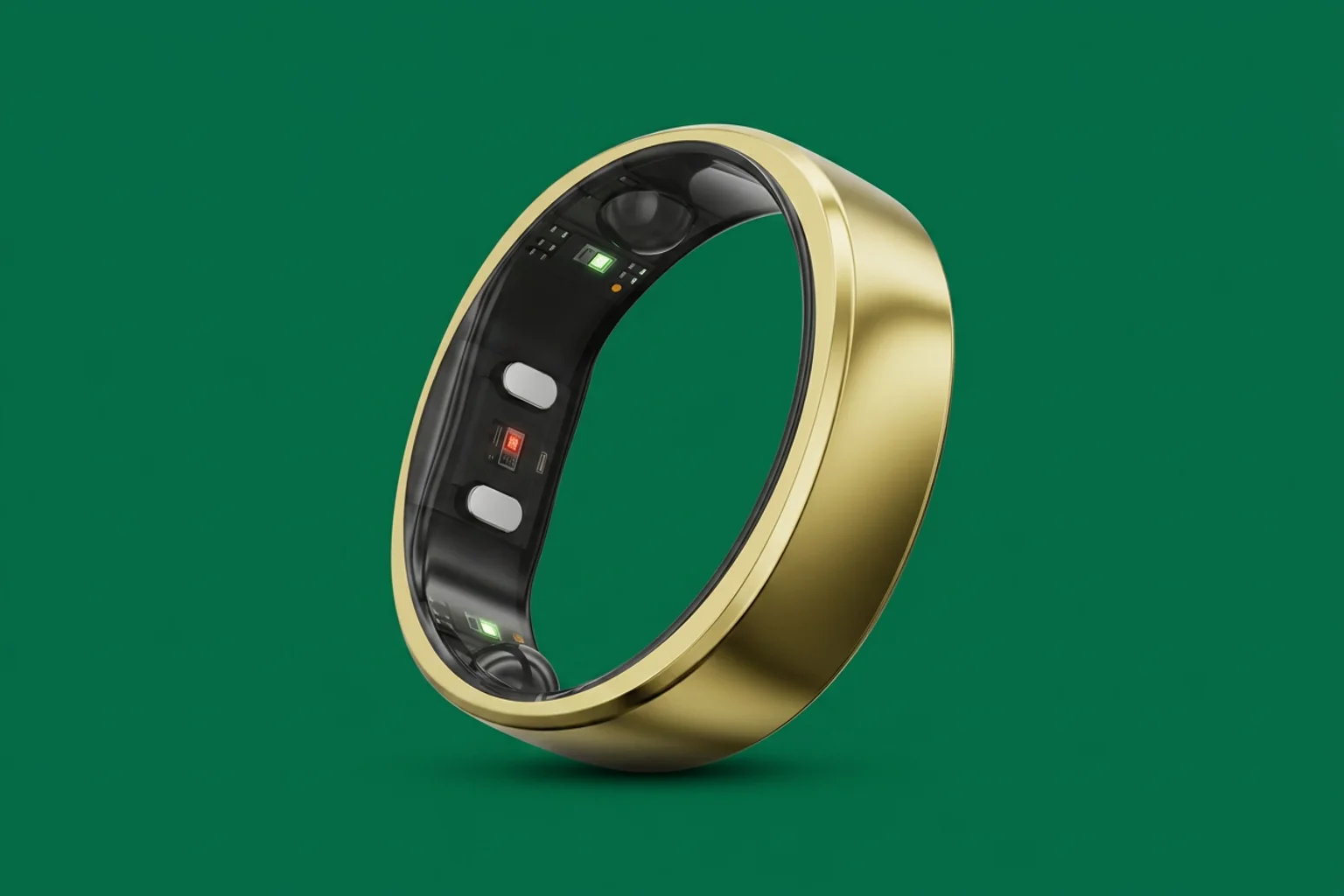
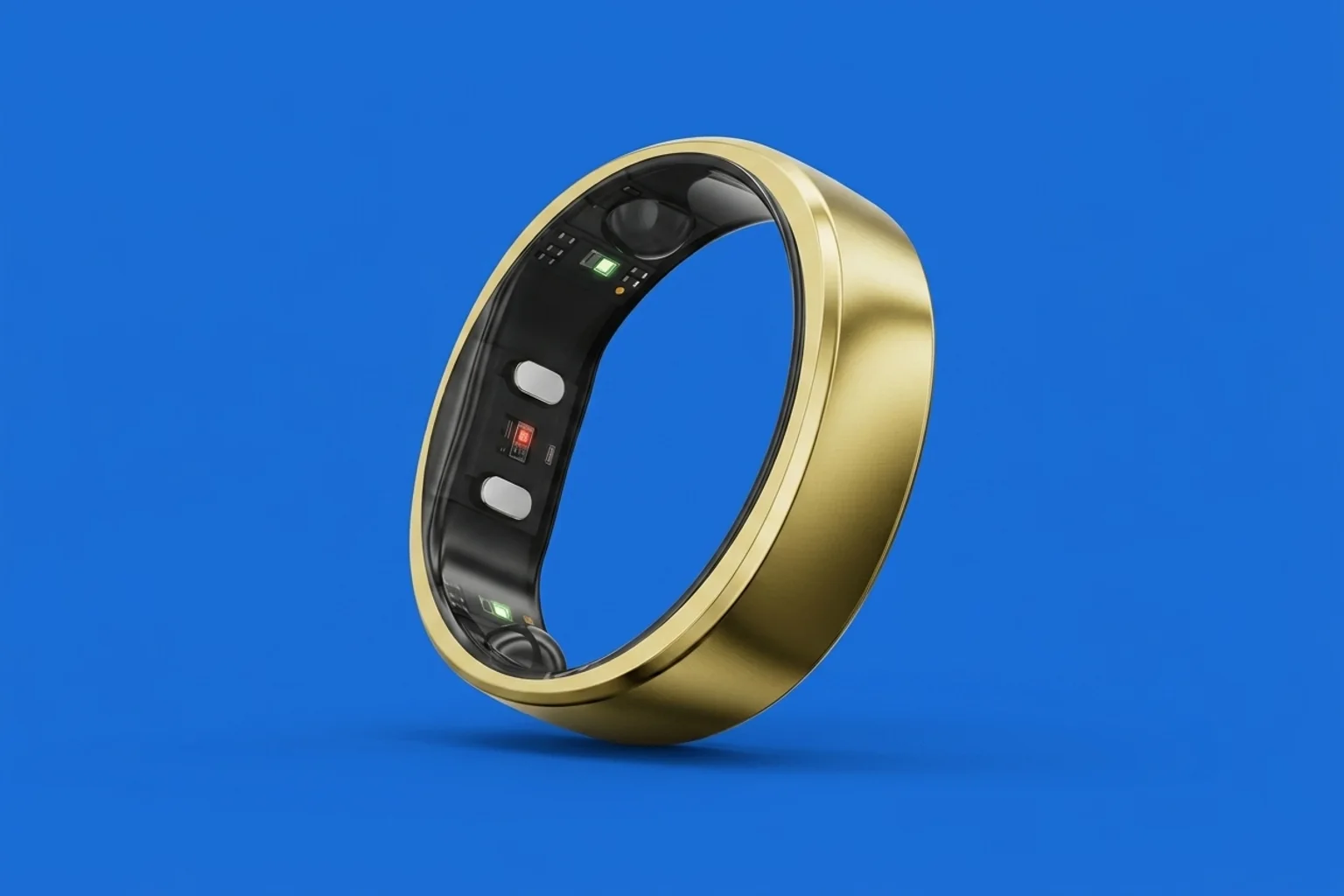
Comfort & design90/100ExcellentAt ~2 g and ~2 mm thick, owners say it disappears on the finger — one of the most comfortable rings to wear 24/7, in titanium with a handful of finishes.
-
Sleep & health tracking85/100GreatSleep stages, HRV, resting heart rate, SpO2, skin temperature and stress, plus a world-first automatic sleep-apnea (AHI) screen. Reviewers rate sleep tracking close to Oura; it can overestimate total sleep time.
-
Battery92/100Excellent10–12 days on a charge — among the best in any smart ring — and the charging case stretches that to roughly 150 days between wall plugs. This is the headline strength.
-
App & software72/100GoodThe weak point. The data is all there for free, but the app is busy, can be slow, won't sync in the background (you open it and hold the ring near the phone), and leans on graphs rather than coaching.
-
Value & no subscription95/100Excellent~$299 with every feature unlocked forever and no monthly fee, and it's FSA/HSA-eligible — the total-cost gap versus a subscription ring only widens over time.
The Good — what owners keep praising
- No subscription, ever — every feature is unlocked for free and your history stays yours
- 10–12 day battery, plus a charging case that goes ~150 days between outlets
- Featherlight ~2 g / ~2 mm titanium build that's genuinely comfortable to wear 24/7
- World-first automatic sleep-apnea (AHI) screening, on top of solid sleep and HRV tracking
- FSA/HSA-eligible, with up to 100 m water resistance for showers and swimming
The Bad — the gripes that repeat
- The app won't sync in the background — you have to open it and hold the ring near the phone, or you lose unsynced data if the battery dies
- App is busy and can be slow; notifications are weak (no push for a low battery)
- Step count and high-intensity heart rate read low versus a wrist wearable
- Sizing is non-standard — order the sizing kit first, and some owners report a small finger-gap
- Coaching is thin compared with Oura; it shows you data more than it guides you
Comfort & design
This is where the Gen 2 quietly wins. It's titanium, about 2 mm thick and roughly 2 grams, and owners consistently say the same thing: after a day you forget you're wearing it. That matters more than it sounds, because a smart ring only works if you actually keep it on — through sleep, showers and workouts — and a ring you notice is a ring that ends up in a drawer. RingConn offers it in a few finishes, and it's rated to 100 m of water resistance, so handwashing, showering and swimming are all fine.
The trade-off of the ring form factor is there's no screen, so you can't glance at a stat without reaching for your phone, and the finish can pick up micro-scratches over months of wear like every metal ring does. Neither is a dealbreaker, but if you want at-a-glance numbers, a watch is the better tool. The ring's pitch is the opposite: it gets out of the way.
Sleep & health tracking
Sleep is the reason most people buy a ring, and it's the Gen 2's strongest sensor story. It tracks sleep stages, resting heart rate, heart-rate variability (HRV), blood oxygen (SpO2), skin temperature and a daily stress score — the same core suite you'd expect from an Oura — and independent reviewers generally rate its sleep tracking as close to Oura's, which is the benchmark. It can lean optimistic on total sleep time (counting some quiet wakefulness as sleep), so treat the trend as more reliable than the exact minute count.
The standout is the automatic sleep-apnea screening: RingConn bills the Gen 2 as the world's first smart ring to monitor for sleep apnea automatically, surfacing an AHI-style figure overnight. That's a genuinely useful early-warning signal — but read this clearly: it's a wellness indicator, not a diagnosis. No ring replaces a proper sleep study, and if your numbers or symptoms worry you, see a doctor. Used as a nudge to get checked, it's a real differentiator; used as a verdict, it isn't one.
Battery life
RingConn rates the Gen 2 at 10–12 days per charge, and that holds up in the wild — it's among the longest-lasting smart rings you can buy, and it's a daily quality-of-life difference. Where Oura's latest ring asks for a charge every week or so, the Gen 2 sails past it, and the bundled charging case extends the system to roughly 150 days before you need a wall outlet, which makes it close to travel-proof. If you've ever taken a tracker off because charging it was a chore, this is the spec that fixes that.
The app & the no-subscription model
Here's the honest catch, and it's the most important section. Everything the Gen 2 measures is free — there is no membership, no paywall, and your history stays yours. That's the whole point, and against Oura's $5.99-a-month model it's a big deal: cancel an Oura membership and much of the app goes dark, whereas the RingConn just keeps working. Over three years that's roughly $299 flat versus around $565 for a subscription ring — the kind of gap that makes the cheaper hardware the obvious call. We break the math down in our RingConn vs Oura comparison.
But "free" doesn't mean "polished." The RingConn app is the weakest part of the package. It's data-rich but busy, can be slow to load, and — the gripe that comes up most — it doesn't sync in the background. You have to open the app and hold the ring near your phone to pull the latest data, and if you forget and the battery dies, that unsynced stretch is gone. Notifications are thin too (no push when the battery is low). And where Oura turns numbers into nudges, RingConn mostly shows you graphs and leaves the interpreting to you. If you want a coach, this isn't it; if you want your raw data without a toll booth, it delivers.
Sizing — read this before you buy
Smart-ring sizing is not jewelry sizing, and RingConn's is its own standard — different from a normal ring size and even different from other RingConn models. The sensors need a snug fit to read accurately, so a ring that's slightly loose gives worse data and can leave a small gap on the finger. RingConn includes a free plastic sizing kit you wear for a day before the real ring ships, and you should absolutely use it — the most common owner complaint is ordering the wrong size by guessing. We walk through the whole process in our smart ring sizing guide.
Who it's for / who should skip it
Get it if you want the core of a premium sleep-and-recovery tracker without a monthly fee, you value long battery life and all-day comfort over a polished app, and you like that it's FSA/HSA-eligible. For a huge share of buyers, that's exactly the trade they want — and it's why the Gen 2 anchors our best smart ring for sleep picks.
Skip it if you want the most refined app and active coaching (Oura still leads there), you need accurate step or workout tracking (a wrist wearable is better), or you want at-a-glance stats without your phone. If you're cross-shopping within the line — a lighter, cheaper option or the newest flagship — see our Gen 3 vs Gen 2 vs Gen 2 Air breakdown.
Frequently asked questions
Does the RingConn Gen 2 require a subscription?
No. There is no subscription and no monthly fee — you pay once and every feature (sleep, HRV, SpO2, stress, sleep-apnea screening, women's health) is unlocked for life, and your data history stays yours. That's the ring's main advantage over the Oura Ring, which charges $5.99 a month to access its insights.
Is the RingConn Gen 2 accurate?
For sleep, HRV and resting heart rate it's well regarded — reviewers rate its sleep tracking close to Oura's, the category benchmark. The weaker spots are step counting and high-intensity workout heart rate, which read low compared with a wrist wearable; that's inherent to the ring form factor. Treat the long-term trends as more reliable than any single day's exact number.
How long does the battery last?
RingConn rates it at 10–12 days per charge, which is among the best of any smart ring, and the included charging case extends the system to roughly 150 days between wall outlets. Expect a little less at the heavy-tracking end and a little more on smaller ring sizes.
Is the RingConn Gen 2 FSA/HSA eligible?
Yes — the Gen 2 is FSA/HSA-eligible, so you can buy it with pre-tax health-spending funds, which effectively discounts it. Check your own plan's rules, but for many buyers it makes an already-cheaper-than-Oura ring cheaper still.
Can the RingConn Gen 2 really detect sleep apnea?
It automatically screens for sleep apnea overnight and surfaces an AHI-style figure — a first for a smart ring. It's a helpful early-warning signal, not a medical diagnosis: no ring replaces a clinical sleep study, so use it as a reason to get checked rather than a verdict. If your readings or symptoms concern you, talk to a doctor.
Is it waterproof?
Yes — the Gen 2 is rated to up to 100 m of water resistance, so handwashing, showering and swimming are all fine. You don't need to take it off for water, which helps with the 24/7 wear that makes the tracking useful.
Bottom line: the RingConn Gen 2 is the smart ring to buy if you resent paying rent on your own health data. It gets the fundamentals right — nearly two weeks of battery, featherlight all-day comfort, strong sleep and recovery tracking, and a genuine first in automatic sleep-apnea screening — for around $299 with no subscription and FSA/HSA eligibility on top. The app is its real weakness and it won't out-track a wrist wearable on steps, so go in clear-eyed. But as a set-and-forget, no-fee ring, it's the easiest recommendation in the category — a deserved 8.6.